When it comes to camera specs for drones, one term you’ll often hear is "megapixels." But what does that really mean for you? Megapixels (MP) refer to the number of pixels in a photo. Simply put, more megapixels usually mean better image quality, allowing you to capture more details. This is especially important if you're planning to take stunning aerial shots or want to crop into your images later.
If you’re eyeing a new drone, look at the megapixel count in its camera. Most drones will have anywhere from 12 to 48 megapixels. For standard photography and videos, drones with around 12-20 MP can do a solid job. But if you’re into professional photography or like to print large photos, you might want to go for a model with 30 MP or higher.
However, megapixels aren’t everything. You also need to think about the sensor size and quality. A camera with lower megapixels can still take fantastic photos if it has a good sensor. So when evaluating camera specs for drones, don’t just focus on the megapixel count. Make sure to consider the overall camera system.
In the world of drone cameras, it’s all about finding that sweet spot. Think about how you’ll use your drone. If you just want to share photos on social media or take fun family videos, a drone with 12-20 MP will likely meet your needs. If you're looking to get serious about aerial photography, investing in a higher-megapixel camera pays off. Remember, it’s about balancing quality with what you intend to do with those awesome sky-high shots!
The Importance of Sensor Size Explained
When you dive into the world of aerial photography, one term you’ll keep coming across is sensor size. It’s a big deal in the world of camera specs for drones. Simply put, the size of the sensor affects how your drone captures light and detail. A larger sensor can soak up more light, which means better images in low-light conditions.
Let’s break it down a bit. Smaller sensors might be cheaper, but they struggle in darker settings. You’ll notice grainy or noisy images if the lighting isn’t perfect. On the flip side, bigger sensors typically give you clearer, sharper images. This is especially important if you’re planning to print your photos or zoom in on details.
Another factor to consider is dynamic range. This term refers to how well the camera can handle shadows and highlights. Larger sensors usually have a broader dynamic range, which helps in capturing detail in both bright and dark areas of your shot. If you want stunning, balanced photos, this is something to keep in mind when checking out camera specs for drones.
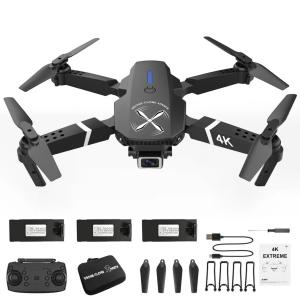
Falcon 4K Drone Pro with Camera for Everyone
Capture stunning aerial shots and explore the skies like never before
Product information
$149.99
Product Review Score
4.64 out of 5 stars
39 reviewsProduct links
Frame Rate and Its Impact on Video
When you're diving into camera specs for drones, one key feature you'll hear about is frame rate. It sounds a bit technical, but it really just refers to how many frames your camera captures every second. A higher frame rate means smoother video, which can make a huge difference, especially when you're zooming around with your drone.
For most casual drone users, 30 frames per second (FPS) is pretty standard and works well for most situations. If you're capturing everyday footage or live events, this will give you nice, smooth video. But if you're into more serious filming, like action sports or fast-moving subjects, consider a drone that shoots at 60 FPS or even higher. You’ll notice a big jump in clarity and fluidity.
Another cool aspect of higher frame rates is the ability to slow down your footage without it looking choppy. If you shoot at 120 FPS or more, you can slow down your video in post-production and create stunning slow-motion shots. This is perfect for capturing those jaw-dropping moments when your drone dives or swoops over a breathtaking landscape.
So, when checking out camera specs for drones, keep an eye on the frame rates. Think about what you want to shoot and choose a drone that fits those needs. It's all about getting the right footage that looks great and tells the story you want to share!
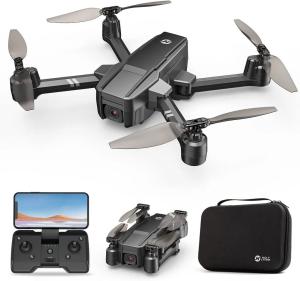
Holy Stone HS440 Foldable FPV Drone with 1080P Camera
Capture stunning aerial views and enjoy easy flying with this compact and user-friendly drone
Product information
$43.99
Product Review Score
4.44 out of 5 stars
39 reviewsProduct links
Choosing the Right Lens for Aerial Shots
When it comes to taking amazing aerial shots with your drone, the lens you choose plays a huge role. It’s not just about grabbing any lens; you want one that complements your drone's camera specs. So, let’s break down what to look for!
First off, consider the focal length. A wider lens (think around 24mm) is great for capturing stunning landscapes. It lets you get those wide-open views that make you feel like you’re flying over the Grand Canyon. If you want to zoom in on distant subjects, go for a longer focal length. A 50mm or even 100mm lens can help you capture details that are far away without losing quality.
Next up is the aperture. A lens with a lower f-stop value (like f/2.8) allows more light in, which is fantastic for shooting in low-light situations, like during sunrise or sunset. This could really elevate your shots. But if you’re shooting in bright daylight, a higher f-stop (f/8 or above) can help you keep everything in focus, which is perfect for those landscape shots.
Don’t forget about lens build quality! You’ll want a sturdy lens that can withstand nature’s elements, especially if you're planning to fly your drone in windy or rainy conditions. A good quality glass and a solid body make a huge difference in image clarity and sharpness.