When it comes to drones, the camera is one of the biggest factors you'll want to consider. Different camera types bring unique features to the table, and knowing what they are can help you find the perfect drone. Let's break them down for you!
First up, we have optical cameras. These are your classic cameras, designed for stunning photography and video. They typically come with a range of lenses, so you can capture everything from sweeping landscapes to close-up shots. If you’re all about those gorgeous visuals, look for a drone that features a high-resolution optical camera.
Then, there are thermal cameras. These bad boys are designed to see heat instead of visible light. They’re super handy for search and rescue missions or inspecting buildings. If your work requires detecting heat signatures, a drone with a thermal camera is a smart choice.
Next, let’s talk about action cameras. These are lightweight and built to take a beating, making them perfect for adventure junkies looking to capture exciting moments. Drones that can carry action cameras offer flexibility and often come with great stabilization features to keep your shots smooth.
Last but not least, we have 360-degree cameras. Imagine being able to capture everything around you in one shot! Drones with 360-degree cameras are great for creating immersive content and making your viewers feel like they’re right there with you. If you want to stand out in your photography or video work, you can’t go wrong with this type!
Understanding Megapixels and Resolution
Megapixels (MP) refer to the number of pixels in an image. Imagine a super detailed picture—each tiny dot is a pixel. More megapixels mean more detail, which matters a lot if you want to zoom in or crop your images. For most casual users, a drone with a camera around 12 to 20 MP hits the sweet spot. You’ll get sharp, gorgeous shots without needing the highest-end camera.
Resolution goes hand-in-hand with megapixels. It’s all about how many pixels make up the image. Higher resolution means your photos can look crisp on big screens or when printed. A common resolution for drones is 4K, which is perfect for stunning videos and high-quality images. If you're serious about aerial photography or videography, look for drones that can handle 4K resolution; you won’t regret it!
Lastly, it’s not just about the numbers. The quality of the camera sensor also plays a huge role. A high megapixel count on a low-quality sensor won’t give you the beautiful results you’re after. So, while checking Camera Specs For Drones, balance megapixels and resolution with overall camera quality to get those amazing shots you dream of.
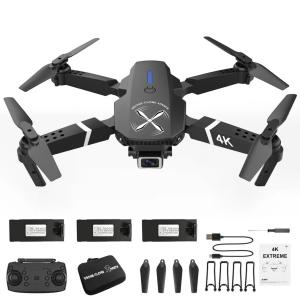
Falcon 4K Drone Pro with Camera for Everyone
Capture stunning aerial shots and explore the skies like never before
Product information
$149.99
Product Review Score
4.64 out of 5 stars
39 reviewsProduct links
Importance of Lens Quality and FOV
When diving into the world of drones, understanding camera specs is super important, especially when it comes to lens quality and field of view (FOV). The lens acts like the eyes of your drone, and a good one can make a huge difference in the quality of the shots you’re taking. You want something that captures crisp, clear images and vibrant colors. A low-quality lens can easily ruin your photography or videography, making all those efforts feel wasted.
Now, let's talk about field of view. FOV is all about how much of the scene your camera can capture. A wider FOV means you get to see more of the landscape in your shots, which is perfect for those breathtaking aerial views. If you're shooting landscapes or big events, a wide FOV can really help share the whole scene. On the flip side, a narrower FOV is better for details, like capturing a specific building or object. Thinking about how you'll use your drone will guide your choice here.
Also, keep in mind that lens quality and FOV are connected. A great lens with a wide FOV can provide stunning results, but if the lens isn’t top-notch, that wide view might not be as impressive. Grainy pictures or blurry edges can ruin an otherwise great shot. So, when checking out camera specs for drones, always prioritize lens quality alongside FOV. It’s the combination that really brings your aerial photography to life!
In the end, consider what you’re hoping to capture. The right lens and FOV will enhance your drone experience. Whether you're a hobbyist or someone looking to create professional content, understanding these camera specs for drones will help you make an informed decision that elevates your work.
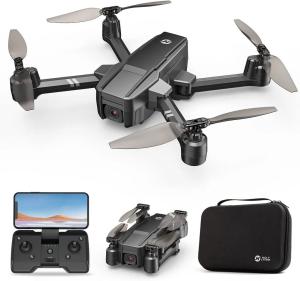
Holy Stone HS440 Foldable FPV Drone with 1080P Camera
Capture stunning aerial views and enjoy easy flying with this compact and user-friendly drone
Product information
$43.99
Product Review Score
4.44 out of 5 stars
39 reviewsProduct links
Stabilization Features That Matter Most
When you’re looking at camera specs for drones, stabilization features play a huge role in getting those smooth, stunning shots. You want your videos to look professional, even if you're an amateur flying your drone for the first time. Let’s dive into the key stabilization features that really matter.
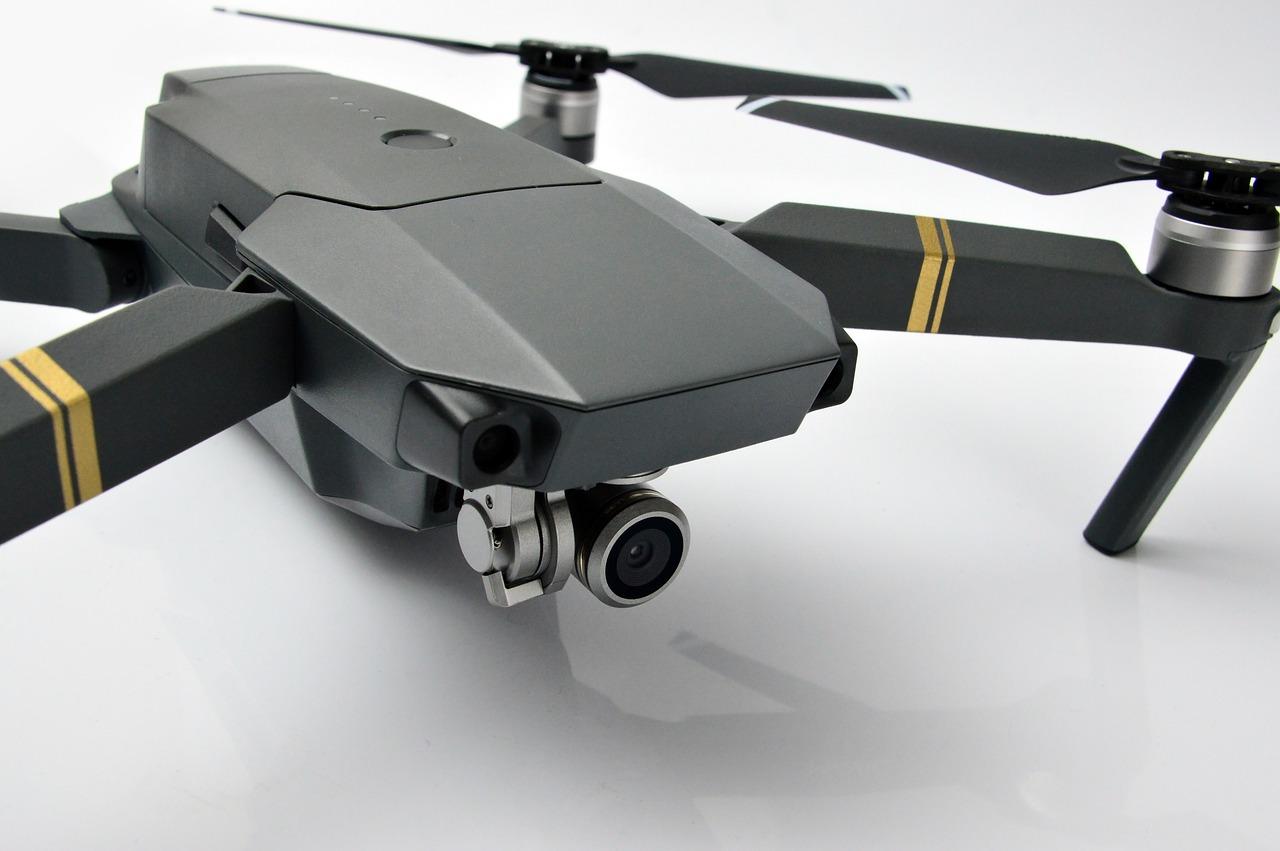
First off, gimbal stabilization is a game changer. A good gimbal keeps your camera steady while you're flying. It helps eliminate that shaky footage, especially when zooming in or flying at high speeds. Look for drones with three-axis gimbals for the best stability. They really make a difference in how smooth your video will be.
Another important feature is electronic image stabilization (EIS). This tech uses software to reduce shake and vibrations. It’s especially handy if your drone lacks a top-notch gimbal. EIS can be built into the camera, and let me tell you, it can save a lot of footage that might've been unusable otherwise. Check out models that mention EIS in their specs.
Don’t forget about the drone's flight stability, either! Features like GPS positioning and altitude hold help keep your drone steady, making it easier to capture rock-solid images. If you want great shots, choose a drone that adapts to windy conditions and has a stable flight mode. These factors in the overall camera specs for drones can significantly impact the quality of your footage.
Finally, consider the frame rates and resolutions supported when shooting. Higher frame rates allow for slow-motion filming, which is perfect for capturing fast action. Pair that with solid stabilization, and you'll create some breathtaking content. Make sure to look for a drone that checks all these boxes to get the best out of your filming experience!