Before you take your drone for a spin, it’s super important to get familiar with the local drone regulations. Each area has its own set of rules, and knowing them can save you from potential headaches. Trust me, you don’t want to be that person getting a fine or, even worse, having your drone confiscated.
First, check if you need to register your drone. In many places, if your drone weighs over a certain limit, you must register it with aviation authorities. The process is usually straightforward, but don’t skip it! It makes you a responsible pilot.
Next, look into no-fly zones. Airports, military bases, and certain parks often have restrictions. Flying in these areas can lead to serious consequences. Use apps or sites that show no-fly zones in your area. It's a handy way to keep yourself informed and safe.
Don’t forget to pay attention to altitude limits and privacy rules. Most regulations specify how high you can fly. Keeping below those limits will help you avoid trouble. And remember, respecting people’s privacy is key. Avoid flying over private properties or making anyone uncomfortable.
Finally, be aware of where you can fly. Some areas, like crowded beaches or events, may have specific rules on drone use. Follow these guidelines to keep things fun and safe for everyone involved. Getting to know these local drone regulations means you can enjoy flying without any stress!
Flying Drones at Night and Beyond
Flying drones at night can be an exciting adventure, but it comes with its own set of rules. If you're planning to take to the skies after sunset, you need to be aware of specific drone regulations. The FAA requires you to follow certain guidelines, like having anti-collision lights on your drone, so it’s visible from at least three miles away. That way, you’re making sure you’re not only having fun but staying safe too.
One of the key drone regulations for night flying is keeping your drone within your line of sight. It sounds simple, but it's crucial. If you can’t see your drone clearly, it’s easy to lose track or fly it into something you didn’t intend. Keeping it close helps you navigate better, especially in low light where obstacles might be harder to see.
Don’t forget about airspace restrictions! Just because it’s night doesn’t mean there aren’t places where you can’t fly. Always check local regulations to see if there are any no-fly zones. You want to avoid any trouble with authorities, and knowing the airspace rules will help you enjoy your flights to the fullest.
Finally, it's wise to have your drone all set up and tested during the day before trying out those nighttime flights. Make sure everything’s working perfectly—batteries charged, lights functioning, and GPS set. That way, when night falls, you’ll feel confident and ready for some awesome aerial adventures!
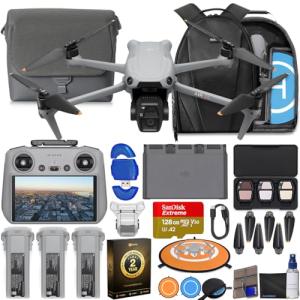
DJI Air 3S Drone Fly More Combo Bundle
Capture stunning aerial views and elevate your photography game with this all-in-one package
Product information
$2,398.00
Product Review Score
4.23 out of 5 stars
214 reviewsProduct links
Registering Your Drone the Easy Way
Registering your drone doesn’t have to be a headache. The key is to break it down into simple steps. First off, you need to decide if your drone needs registration. If it weighs over 0.55 pounds (about 250 grams), it needs to be registered with the FAA.
Once you know your drone needs to be registered, head over to the FAA’s official website. Creating an account is super straightforward. Just fill out some basic info like your name, address, and email. Make sure to keep your registration number handy; you'll need it to label your drone.
After you register, you’ll pay a small fee—usually around $5. This covers you for three years, which isn’t bad considering the peace of mind it offers. After registration, print out your certificate or save it on your phone. Don’t forget to mark your drone with the registration number. This makes it easy for authorities to identify your drone if needed. Just make sure the number is visible and securely attached.
Getting your drone registered really sets you up for success. It shows you're taking drone regulations seriously and helps you avoid potential fines. So, whether you’re flying for fun or capturing amazing aerial shots for your business, make that registration a priority! It’s one small step that opens up a world of possibilities. Flying high and staying safe is a breeze when you’re on top of the rules!
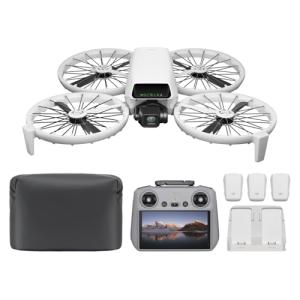
DJI Flip Fly More Combo Drone with 4K Camera
Capture stunning 4K footage with this versatile drone that's perfect for beginners and experienced flyers alike
Product information
$769.00
Product Review Score
4.11 out of 5 stars
16 reviewsProduct links
Safety Tips for Hassle Free Flying
Flying a drone can be a blast, but it’s super important to keep safety in mind. Knowing the right tips not only helps you fly smoother but also keeps you on the right side of drone regulations. Here are some handy safety tips to make your flying experience enjoyable and worry-free.
First things first, always check for local drone regulations. Every area has its own rules about where you can fly and what you need to register. You don’t want to accidentally break a rule and have to deal with fines. Got a specific place in mind? Look it up online to find out what's allowed.
Before takeoff, do a quick pre-flight check. Make sure your drone’s batteries are charged, the propellers are secure, and there are no visible damages. It only takes a few minutes and can save you from a headache later on. Trust me, no one wants to see their drone crash because of a simple overlook!
Keep your drone in sight while flying. This helps you avoid obstacles and keeps you aware of your surroundings. Plus, some drone regulations require maintaining visual line of sight at all times. Staying close to your drone also lets you react faster if anything goes wrong, like a sudden gust of wind or an unexpected obstacle.
Lastly, be mindful of your surroundings. Avoid flying near airports, crowded places, or emergency response areas. Stick to parks or open fields where you can fly without bothering anyone. Flying responsibly goes a long way in keeping the skies friendly for everyone and staying compliant with drone regulations.