So, you’ve got your shiny new drone ready to take to the skies—awesome! But before you launch it, let’s dive into drone regulations. Knowing the rules is super important to keep yourself and others safe and to avoid any fines.
First off, always register your drone if it weighs more than 0.55 pounds. This process is straightforward and usually done online. Just think of it as putting a name tag on your flying buddy. Registration helps the authorities know who’s flying what, which really helps in case anything goes wrong.
When flying, keep your drone within your line of sight. This means no sneaking off for a joyride while you’re busy texting. Stay updated on airspace restrictions, especially around airports and crowded places. The last thing you want is to be that person who accidentally flies into an air traffic zone!
Also, respect people's privacy. That means no zooming into someone’s backyard or trying to get a sneak peek of their BBQ. Following these drone regulations not only helps you avoid trouble but also keeps the drone flying community in a good light.
Lastly, pay attention to the altitude limits. Most places set a maximum height of 400 feet, but it can vary depending on where you live. Just keep your drone lower than that, and you’ll be cruising peacefully in the skies without any worries!
State by State Regulations You Should Follow
When flying drones, knowing the rules for your state is crucial. Each state has its own drone regulations that can affect how, where, and when you can fly. Familiarizing yourself with these laws helps you avoid fines and keep your flying fun and safe.
For instance, in California, you might come across stricter rules regarding where you can operate your drone, especially near crowded places or wildlife areas. In contrast, Texas has plenty of open space, which makes it easier to find spots for recreational flying, but you still need to follow rules about privacy and safety.
In some places, like New York, you can’t fly drones in certain parks or near hospitals. This is really important to pay attention to, as flying in restricted areas can lead to hefty fines or even legal action. Always double-check local regulations before launching your drone into the sky!
Don’t forget about federal drone regulations. The FAA has specific guidelines that apply across the country, like keeping your drone below 400 feet and never flying near airports. Each state’s rules can build on these, so staying up-to-date ensures you’re flying safely and lawfully.
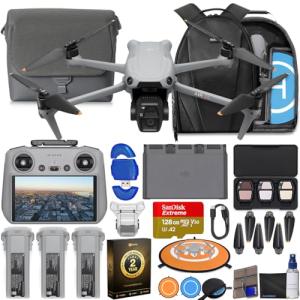
DJI Air 3S Drone Fly More Combo Bundle
Capture stunning aerial views and elevate your photography game with this all-in-one package
Product information
$2,398.00
Product Review Score
4.23 out of 5 stars
214 reviewsProduct links
Airspace Restrictions and No-Fly Zones
No-fly zones are specific areas where drones aren’t allowed to fly. You’ll usually find these around airports, military bases, and some national parks. Flying in these areas can get you in big trouble, both with local authorities and possibly even the FAA. Always check your drone's app or a trusted mapping service to see where these no-fly zones are located.
Airspace restrictions can vary by location and time. For example, during special events like concerts or sports games, there might be temporary restrictions. Keeping an eye on the latest drone regulations can help you navigate these changes. It's a good idea to set up alerts or check local rules often, especially if you’re planning to fly in a new area.
So, how do you find out about these zones? There are some great apps and websites that track airspace restrictions in real time. Tools like the FAA’s B4UFLY app can be a lifesaver. It gives you the scoop on where you can fly legally and helps you make better decisions before you take off.
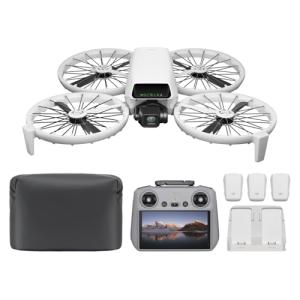
DJI Flip Fly More Combo Drone with 4K Camera
Capture stunning 4K footage with this versatile drone that's perfect for beginners and experienced flyers alike
Product information
$769.00
Product Review Score
4.11 out of 5 stars
16 reviewsProduct links
Safety Guidelines for Safe Drone Use
When you're out flying your drone, safety should always come first. Understanding drone regulations is key to ensuring that you, your drone, and others stay safe. Here are some important safety guidelines to keep in mind.
First off, know the airspace rules. Drones can't just fly anywhere. Many areas have restrictions, especially near airports, military bases, and other sensitive locations. Use apps like AirMap or Skyward to check airspace status before you launch.
Don’t forget to keep your drone in sight. This means flying within your visual line of sight (VLOS). If you can’t see it, you’re not in control, and that can lead to accidents. It’s all about keeping your drone safe and avoiding potentially harmful situations for people and property below.
Also, consider the weather conditions. High winds, rain, and snow can affect your drone's performance and your safety. Always check the weather before you fly to avoid any surprises. If conditions look rough, it’s best to wait for another day.
Finally, respect people's privacy. Drone regulations often include guidelines on flying over private property. Always ask for permission if you want to capture photos or videos of private areas. It's not just good manners—it helps you avoid legal issues.