When you get into flying drones, it’s super important to know the drone regulations. These rules keep everyone safe and make sure you’re flying responsibly. Nobody wants to be that person causing trouble in the sky, right?
First off, always keep your drone in sight. This is known as the "line of sight" rule, and it’s one of the most important drone regulations out there. If you can’t see your drone, you could lose control or crash it. Plus, it helps you avoid any surprises like birds, other drones, or power lines.
Another key point is respecting no-fly zones. Some areas, like near airports or military installations, are off-limits. Before you fly, check local maps or apps that show where you can and can’t fly. This keeps everyone safe and follows legal drone regulations.
Also, be mindful of how high you fly. Most regulations say you shouldn’t exceed 400 feet above ground level. Flying higher is not just risky but can also attract unwanted attention from agencies. Stick to that limit, and you’re golden!
Lastly, always check the weather before you head out. High winds, rain, or fog can make flying dangerous. Following these simple drone regulations helps ensure you have a great time flying while keeping the skies safe for everyone.
Where to Fly Your Drone
So, you’ve got your drone and you’re itching to take it for a spin. But hold up! Before you launch into the sky, let’s chat about where you can legally fly your drone. Knowing the ins and outs of drone regulations can save you from landing in hot water.
First things first, public parks and open spaces are often great spots for flying. Just make sure you check for any local rules before you take off. Some places have specific drone regulations that restrict flying in certain areas, like near playgrounds or sports fields. It’s always a good idea to look out for “no drone” signs.
If you’re near an airport, steer clear! Airports are off-limits for a reason. Near an airport, you’ve got to dodge air traffic, and that's a bummer for everyone involved. Check the FAA’s airspace maps for detailed info on restricted zones. Knowing these restrictions helps you avoid any mishaps and keeps you flying safely.
You might also want to consider flying your drone in designated flying clubs. Many clubs welcome beginners and offer open spaces for flying, along with community support. This can be a fantastic way to learn the ropes and meet fellow drone enthusiasts.
Lastly, always respect the privacy of others. Flying over private property without permission can lead to trouble, and that's definitely not something you want. Following these drone regulations keeps the experience fun and carefree for everyone involved.
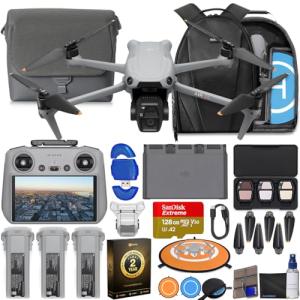
DJI Air 3S Drone Fly More Combo Bundle
Capture stunning aerial views and elevate your photography game with this all-in-one package
Product information
$2,398.00
Product Review Score
4.23 out of 5 stars
214 reviewsProduct links
Registering Your Drone Made Easy
Registering your drone doesn’t have to be a headache. In fact, it’s pretty straightforward! When you're flying for fun or for work, registering your drone is a must for following drone regulations. Let's break it down so you can get soaring in no time.
First things first, check if your drone meets the criteria. If it weighs more than 0.55 pounds (or 250 grams), it's required to be registered. Most consumer drones do fit this rule, so don’t skip this step! You'll want to visit the official FAA website to handle your registration. Just a heads up: you'll need your credit card for a small fee, but it’s well worth it to stay legal.
Once you’re on the website, just fill out a few details about yourself and your drone. It won’t take much time at all, typically under 30 minutes. After submitting your application, you’ll get a registration number. Make sure to write it down or print it out! You need to label your drone with this number so it’s easy to identify in line with drone regulations.
Don’t forget to keep your registration updated. If you sell your drone or if it changes ownership, you have to inform the FAA. Keeping everything in check is key to avoiding fines or worse when you're out there flying. So, go ahead and get that registration done, and enjoy the thrill of flying your drone responsibly!
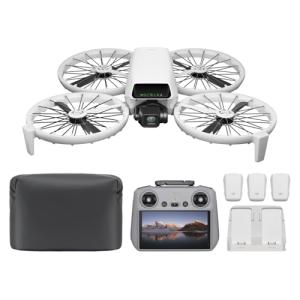
DJI Flip Fly More Combo Drone with 4K Camera
Capture stunning 4K footage with this versatile drone that's perfect for beginners and experienced flyers alike
Product information
$769.00
Product Review Score
4.11 out of 5 stars
16 reviewsProduct links
Safety Tips for Drone Pilots
When flying your drone, safety should always come first. A little planning and knowledge can go a long way in ensuring a smooth flight and keeping you compliant with drone regulations. Here are some essential tips to keep in mind.
Always check the weather before heading out. High winds, rain, or storms can make flying dangerous. Stick to calm, clear days for your drone adventures. Keep an eye on local airspace restrictions. Know where you’re flying and avoid areas like airports or military zones, as drone regulations are strict in these places.
Maintain a visual line of sight with your drone at all times. This means keeping it in sight without relying on screens or cameras. It helps you react quickly to any issues that come up. Investing in a drone with reliable safety features like automatic return-to-home can add another layer of security.
Don’t forget to respect people's privacy. Flying over homes or gatherings can lead to complaints and issues with local drone regulations. Always be considerate and choose open areas where you're less likely to disturb anyone. And remember to register your drone if it weighs over 0.55 pounds, as required by regulations.