First things first, always check with your local aviation authority. In the U.S., the Federal Aviation Administration (FAA) sets major drone regulations, but many states and cities have their own rules too. Some places might require you to register your drone or even get a special permit to fly.
Make sure you’re up to date on where you can— and can’t—fly your drone. This usually includes staying away from airports, crowded areas, and specific parks. Most regions also have altitude restrictions. Staying low and avoiding no-fly zones keeps everyone safe and helps prevent fines.
While you're at it, don’t forget to check the rules regarding drone usage for commercial purposes. If you plan to capture photos or videos for a business, you may need to jump through a few more hoops to stay compliant with drone regulations.
Finally, remember to respect people's privacy. Just because your drone can fly high doesn’t mean you should invade someone’s backyard. Being mindful of these aspects helps you enjoy your drone while following the rules in your area.
Federal Regulations You Should Know
When you dive into the world of drones, you’ll quickly realize there’s a lot more to it than just flying for fun. Understanding federal drone regulations is super important, especially if you want to keep things safe and legal. The FAA (Federal Aviation Administration) has set some guidelines that every drone pilot should know.
First off, all drones over 0.55 pounds are required to be registered with the FAA. This is a straightforward process that can be done online. Once you register, you’ll get a unique identification number that needs to be marked on your drone. Simple, right? Not only is this a requirement, but it helps in keeping track of drone operations and enhancing safety.
Know about where you can and can’t fly. Drones aren’t allowed in some places like airports, military bases, and national parks. Always check the local regulations before heading out. It's also key to keep your drone within your line of sight. This helps you avoid any unexpected surprises and keeps the skies a bit safer for everyone.
If you’re flying for commercial purposes, the regulations get a bit stricter. You'll need to have a Part 107 certification. This involves passing a test that covers various topics, including airspace rules and weather. It's a little more work, but if you want to use your drone for business, it’s a must.
Finally, don't forget about respecting people’s privacy. Just because you have a drone doesn’t mean you can fly it anywhere you please. Keeping a low profile is essential. Always be courteous and avoid flying over private property without permission. Staying informed about drone regulations helps you enjoy your flying experience while making sure everyone stays happy and safe.
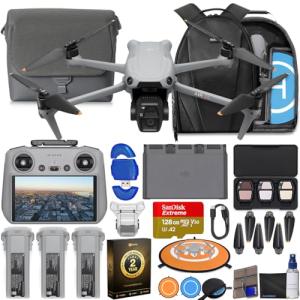
DJI Air 3S Drone Fly More Combo Bundle
Capture stunning aerial views and elevate your photography game with this all-in-one package
Product information
$2,398.00
Product Review Score
4.23 out of 5 stars
214 reviewsProduct links
Safety Guidelines for Drone Use
Using a drone can be a blast, but staying safe and following the rules is super important. You don't want to buzz around recklessly and end up in trouble. Here are some safety guidelines to keep in mind while using your drone.
First off, always keep your drone within your line of sight. It can be tempting to fly it far out, but you need to know exactly where it is at all times. This not only helps you avoid collisions but also keeps you in line with the drone regulations. Plus, it's way easier to control when you can see it!
Make sure you check the area before you fly. Look for any no-fly zones, like near airports or crowded places. Drones can be a nuisance if you're not careful. Understanding local drone regulations can help you steer clear of trouble. Your drone should never disturb others or invade their privacy.
Lastly, always conduct a pre-flight check. Make sure your drone's battery is charged, propellers are secure, and everything’s in working order before you take off. A little prep goes a long way in ensuring a safe and fun flight experience. Happy flying!
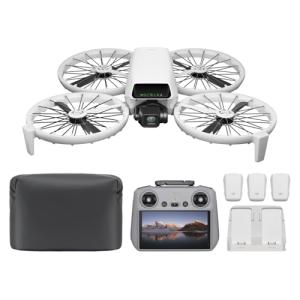
DJI Flip Fly More Combo Drone with 4K Camera
Capture stunning 4K footage with this versatile drone that's perfect for beginners and experienced flyers alike
Product information
$769.00
Product Review Score
4.11 out of 5 stars
16 reviewsProduct links
Getting Your Drone Registered Easily
Getting your drone registered is easier than you might think! If you're flying for fun or planning to capture stunning aerial shots, you need to navigate some basic drone regulations. Don't worry; it's a straightforward process that keeps everyone safe in the skies.
First, make sure your drone is under the legal weight limit. In many places, drones weighing more than 0.55 pounds (250 grams) need to be registered. Check your local laws if you're unsure. Once you've confirmed your drone's weight, head over to the appropriate registration site. In the U.S., that’s the FAA's website, where they’ve made it super easy to register online.
The registration process only takes a few minutes. You'll fill out a simple form and pay a small fee. Don’t sweat that part—it's totally worth it for peace of mind. Once registered, you’ll get a unique ID that you’ll need to label on your drone. This step is crucial, as it keeps you compliant with drone regulations.
After you register, you'll want to familiarize yourself with any local flying laws. Some areas have restrictions, like parks or near airports, and keeping tabs on these rules is just as important as registration. Knowing where you can and can't fly helps you avoid any fines and keeps your flying experience safe and enjoyable.