Before you take your drone for a spin, it’s super important to know the local Drone Regulations. Each area has its own set of rules, and being out of the loop can lead to some serious issues, including fines or having your drone confiscated. Let's dive into what you should keep in mind.
First off, check if you need to register your drone. In many countries, if your drone weighs over a certain amount, registration is a must. It’s a pretty simple process, usually online, and it helps authorities keep track of drones in the sky. Make sure you have your registration number visible on your drone when flying.
Next, be aware of airspace restrictions. Not all areas are free for flying. Airports, military zones, and certain populated areas often have strict Drone Regulations that forbid drone flights. You can usually find maps online showing where you can and cannot fly. This makes it easier to plan your flying trips without stepping into no-fly zones unwittingly.
Don’t forget about privacy! Many locations have regulations regarding flying over private property without permission. Always respect people’s space and be thoughtful about where you fly your drone. You want to enjoy your hobby while also being a responsible drone pilot.
Paying attention to these details will make your flying experience smoother and much more enjoyable. Stay educated on the rules in your area, and you'll be flying high in no time! Always feel free to reach out to local flying clubs or online forums if you have questions. They can be a great resource for staying updated on Drone Regulations and best practices.
Limitations on Flying Times and Places
When you grab your drone and head out to fly, you might be excited, but it's essential to know about the limitations that come with it. Drone regulations can vary depending on where you are, and understanding these can save you a lot of trouble. Flying times and places are two big factors to keep in mind.
First off, many areas have specific time restrictions for flying drones. Some parks or residential neighborhoods might only allow flights during the day. Flying at night? You might need special permissions or equipment to do that legally. If you’re planning on a beautiful sunset shoot, check your local drone regulations first!
Then we have the places where you can or can’t fly. You can’t just let loose wherever you want. Many urban areas restrict drone flights, and there are also no-fly zones near airports and military bases. Some national parks even have their own rules that could stop you from launching your drone. It’s smart to scope out the regulations in your area so you know what’s off-limits.
Also, keep in mind that flying over certain events or crowded places might break the rules too. Whether it's a concert, sports game, or festival, these gatherings usually have restrictions because of safety and privacy. Staying updated on local drone regulations helps you respect others while enjoying your flying experience.
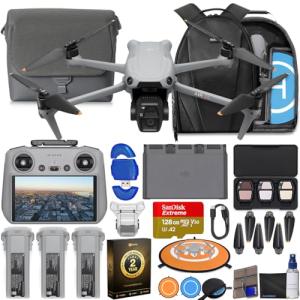
DJI Air 3S Drone Fly More Combo Bundle
Capture stunning aerial views and elevate your photography game with this all-in-one package
Product information
$2,398.00
Product Review Score
4.23 out of 5 stars
214 reviewsProduct links
Registration Requirements for Recreational Drones
If you're diving into the world of drones for fun, it's essential to understand the registration requirements. The rules can seem a bit tricky at first, but they’re pretty straightforward once you get the hang of them. In the U.S., if your drone weighs more than 0.55 pounds (or 250 grams), you need to register it with the FAA. This applies to most consumer drones out there.
Registration is a breeze. Just hop onto the FAA’s website and fill out a simple form. You’ll need to provide basic info like your name, address, and email. After that, you'll pay a small fee, usually around $5. Once you’re done, you’ll receive a unique registration number that you have to mark on your drone. Easy peasy!
Remember, these drone regulations aren’t just for fun; they’re in place to keep everyone safe while you enjoy flying. If you don't register your drone and the FAA finds out, you could face hefty fines. So, take a few minutes to register your drone—it’s totally worth it for peace of mind.
Don’t forget to keep up with any changes in drone regulations as well. The rules can shift as technology and airspace management evolves. Always stay informed to make sure you're flying legally and safely!
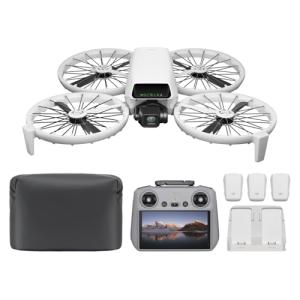
DJI Flip Fly More Combo Drone with 4K Camera
Capture stunning 4K footage with this versatile drone that's perfect for beginners and experienced flyers alike
Product information
$769.00
Product Review Score
4.11 out of 5 stars
16 reviewsProduct links
Staying Safe While Enjoying Your Flight
When you're out flying your drone, safety should be your top priority. Knowing the drone regulations isn’t just about avoiding fines; it’s about protecting yourself and others. Always be aware of your surroundings. Keep an eye on people, buildings, and wildlife. You never want to be that person who crashes a drone into someone’s backyard barbecue!
Stick to the rules set by your local authorities. Understanding drone regulations helps you know where you can fly. Some areas are off-limits, like near airports or crowded places. Use apps or check online maps to help you find safe flying zones. This way, you can enjoy your flight without any surprises.
Before taking off, make sure your drone is in good shape. Check the battery life, test the controls, and make sure your camera is securely attached. A little prep can go a long way in avoiding mishaps. Also, consider getting insurance for your drone. While it’s not a requirement, it can save you a lot of headaches if something goes wrong.
Don’t skip registering your drone if it’s over a certain weight. Many countries have specific drone regulations that require registration for accountability. Plus, if you happen to lose your drone, having it registered makes it easier to get it back. So do the right thing—register and enjoy flying smart!