In the U.S., the Federal Aviation Administration (FAA) regulates drone use. If you’re flying for fun, you have to register your drone if it weighs over 0.55 pounds. Keep it under 400 feet, and never fly near airports. Commercial flyers have even stricter rules, including getting a Remote Pilot Certificate. Think of it this way: the more you know, the safer your flying experience will be!
Staying away from populated areas is another key part of drone regulations. You don’t want to accidentally buzz someone’s backyard BBQ or fly over crowded events. Respect people’s privacy, too. Think about how you'd feel if someone hovered a drone over your property! It's always best to ask before you fly, whenever possible.
And remember, weather conditions can affect your flight. If it's super windy or raining, that’s your cue to hold off. Knowing the drone regulations also means understanding when it’s safe to fly. Doing a quick check can save you from headaches down the line. Keep your drone adventures enjoyable and legal by following these guidelines!
Where to Fly Your Drone
Flying your drone can be a blast, but knowing the right spots to take off is super important. First off, check if your area has any local drone regulations. Each place can have its own rules, so don't skip this step. Whether you’re looking for a serene park or a bustling cityscape, awareness of drone regulations is key.
National parks and wildlife reserves? Usually a no-go zone for drones. These places value tranquility and nature, so keep your drone grounded. Instead, look for designated flying zones. Many cities and towns have parks where flying is allowed, as long as you follow the local drone regulations.
Open fields are your friends! They offer plenty of space, and the risk of running into people or property is lower. Just remember to keep your drone within your line of sight. It’s not just about the fun; it’s also about staying safe and following the drone regulations to avoid fines.
If you’re near a beach, those can be great spots too. Capture amazing shots over the waves, but watch out for people. Staying a safe distance away helps keep everyone happy. Always check for any temporary regulations especially in popular areas. And remember, flying near airports is strictly off-limits! Keep a safe distance to avoid accidents and stick to the drone regulations.
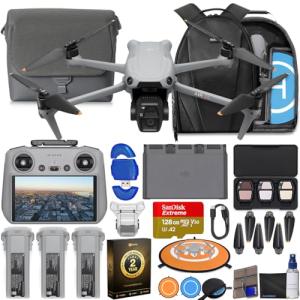
DJI Air 3S Drone Fly More Combo Bundle
Capture stunning aerial views and elevate your photography game with this all-in-one package
Product information
$2,398.00
Product Review Score
4.23 out of 5 stars
214 reviewsProduct links
Weight and Registration Requirements
When it comes to drone regulations, weight is a big deal. Most drones fall into two main weight categories: under 0.55 pounds and over 0.55 pounds. If your drone weighs less than 0.55 pounds, you're in the clear! You don’t have to register it with the FAA. That’s a nice perk for those lightweight models, making them perfect for casual flying.
Now, if your drone tips the scales at 0.55 pounds or more, you need to register it. This is a simple process and can be done online through the FAA’s website. You’ll pay a small fee, and you’ll receive a unique registration number that needs to be displayed on your drone. It's quick and easy!
Don’t forget that larger drones can get heavy, sometimes weighing 55 pounds or more. When you’re flying a drone in this category, it's crucial to follow the drone regulations to keep everyone safe. You’ll need a special certification to operate, and there might be more rules regarding where and how you can fly your drone.
Ultimately, understanding the weight and registration requirements helps you enjoy flying without any hiccups. Just keep these drone regulations in mind, keep your drone in the right weight class, and you’ll be ready to take to the skies with confidence!
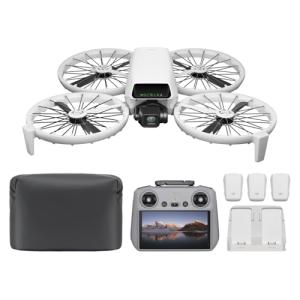
DJI Flip Fly More Combo Drone with 4K Camera
Capture stunning 4K footage with this versatile drone that's perfect for beginners and experienced flyers alike
Product information
$769.00
Product Review Score
4.11 out of 5 stars
16 reviewsProduct links
Safety Tips for Drone Pilots
Flying a drone can be a blast, but safety should always be your top priority. First off, know what the local drone regulations say. Some areas have specific rules about where you can and can’t fly. Checking these regulations can save you from fines or having your drone confiscated.
Always keep your drone in sight. This isn’t just a smart move; it’s often a requirement under drone regulations. If your drone drifts out of sight, you might lose control, which can lead to accidents. Plus, flying out of sight might get you in trouble with the law.
Before taking to the skies, do a quick pre-flight check. Make sure your drone's batteries are charged and that everything is functioning properly. A few minutes of prep can prevent a lot of headaches later. And don’t forget to avoid crowded areas. Not only do you want to keep people safe, but some drone regulations prohibit flying over crowds.
Lastly, be aware of your surroundings. Look out for other aircraft, natural obstacles, and anything that might interfere with your flight. Stay informed about local rules that might change, especially if you’re in an area where events occur. Keeping up with drone regulations can help you fly smart and safe.