Flying a drone is exciting, but before you take to the skies, you gotta know the local drone rules. Every place has its own set of Drone Regulations that you need to follow. Ignoring them can lead to fines or, even worse, damage to your drone or injury to someone else.
First things first, check if you need a license or registration for your drone. In many areas, if your drone weighs over a certain amount, you’re required to register it with the local aviation authority. It’s a simple process, but don’t skip it. Nobody wants a hefty fine just for being a little careless!
Next, understand where you can and cannot fly. Many cities restrict drone use in populated areas, near airports, or over private properties. Make sure to map out your flying areas. Some cool apps can help you find no-fly zones and keep you out of trouble.
Lastly, always respect people’s privacy. No one likes a drone hovering over their backyard! Keep your drone at a safe distance from people, especially in crowded spaces, and avoid filming or taking pictures without permission. Staying informed about these Drone Regulations not only keeps you safe but ensures everyone around you feels comfortable too.
Flight Restrictions You Should Be Aware Of
When you’re ready to take to the skies with your drone, it’s essential to know the flight restrictions that come with it. A little knowledge goes a long way in keeping your flying experience fun and safe. You don’t want to accidentally break any drone regulations that could land you in some hot water!
First off, check your local laws. Each country, state, or city may have specific rules that you need to follow. For instance, many places prohibit flying near airports, schools, or crowded areas. If you’re planning a flight in a public park, make sure you check if there are any special regulations in place. It’s better to do a quick online search than to find out the hard way.
Altitude limits are another biggie. Most drone regulations cap your altitude at around 400 feet. This helps keep your drone clear of manned aircraft. Stick to this limit, and you’ll be flying safely and comfortably. Plus, lower altitudes mean better control over your drone, especially if you’re just starting out!
Don’t forget about no-fly zones! Certain areas are off-limits for drones, like military bases, national parks, and other sensitive locations. Some drones come with restrictions built-in to help you avoid these spots, but it’s always wise to double-check. Keeping away from these areas keeps you and your drone out of trouble.
Lastly, remember to respect privacy. If you’re flying near people’s homes or private properties, be considerate. It’s best to avoid capturing photos or videos without permission. Knowing these drone regulations not only protects your flying rights but also helps build trust in the drone community.
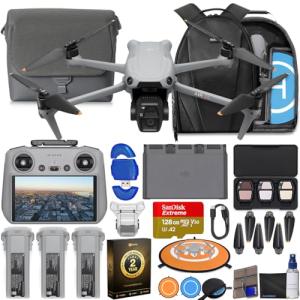
DJI Air 3S Drone Fly More Combo Bundle
Capture stunning aerial views and elevate your photography game with this all-in-one package
Product information
$2,398.00
Product Review Score
4.23 out of 5 stars
214 reviewsProduct links
Registering Your Drone Made Easy
Registering your drone doesn't have to be a headache. In fact, it’s a pretty straightforward process if you know what to expect. First things first, you need to determine if your drone requires registration. According to current drone regulations, any drone weighing over 0.55 pounds (or 250 grams) must be registered with the FAA.
To kick things off, head over to the FAA's website. You’ll be able to create an account and fill out the registration form online in just a few minutes. Make sure to have your credit card handy, as there’s a small fee—about $5—that covers your registration for three years.
Once you complete the registration, you’ll receive a unique identification number. This number needs to be displayed on your drone. You can write it on the drone with a permanent marker or stick it on with a label. Just make sure it’s easily visible, as this is part of the drone regulations aimed at keeping the skies safe.
Keep your registration documents handy, too! You’ll want to have your proof of registration accessible when flying, especially if you fly in areas where authorities might check. Staying compliant with drone regulations helps you avoid potential fines and ensures a smooth flying experience.
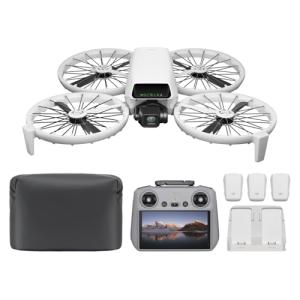
DJI Flip Fly More Combo Drone with 4K Camera
Capture stunning 4K footage with this versatile drone that's perfect for beginners and experienced flyers alike
Product information
$769.00
Product Review Score
4.11 out of 5 stars
16 reviewsProduct links
Staying Safe While You Fly
When you take to the skies with your drone, staying safe is the name of the game. Whether you're a newbie or a seasoned flyer, understanding the rules is essential. That's where drone regulations come into play. Knowing these guidelines helps keep you and others safe while ensuring you don’t run into trouble.
First things first, check if your drone is registered. Many countries have specific rules about drone registration based on the weight and purpose of your drone. Make sure you follow these guidelines so you can fly without a hitch.
Always be aware of the airspace you’re flying in. Some areas, like near airports or crowded cities, have strict drone regulations. Avoid flying in restricted zones to steer clear of fines or worse. Use apps designed for drone pilots that show no-fly zones and other critical information.
Keep your drone within your line of sight. This isn't just a good idea; it’s often a rule. Losing sight of your drone makes it tough to control and could lead to accidents. Plus, some drone regulations require you to maintain visual contact.
Last but definitely not least, respect people's privacy. Flying over someone's property without permission isn’t just rude; it can land you in hot water legally. Always be considerate and follow the drone regulations to enjoy your flying experience without any issues.