First off, find out if you need to register your drone. In many places, if your drone weighs over a certain amount, registration is a must. This step is usually pretty simple and can often be done online. Make sure you keep your registration documents handy while flying.
Next, check where you’re allowed to fly. National parks, urban areas, and near airports often have strict no-fly zones. Flying in these areas can lead to getting a ticket or having your drone taken away. Always look up maps of restricted areas. Many apps can help you with this, so you can avoid the trouble before you even take off.
Last but not least, familiarize yourself with any special rules regarding flying near people. Some places have laws that require you to keep a distance from crowds or private property. This part of the drone regulations is key to keeping everyone safe and ensuring your flying experience is a positive one.
Registration Requirements for Drones
For hobbyists, if your drone weighs more than 0.55 pounds (about 250 grams), you’ll need to register it with the FAA. Registration is easy and can be done online. You’ll fill out a quick form, pay a small fee, and then you’ll receive a unique identification number that needs to be marked on your drone. It’s a simple step that keeps you within the law.
If you’re planning to use your drone for business, the registration process gets a bit more serious. Commercial drones must also be registered, but you’ll need to follow additional guidelines. Pilots must hold a remote pilot certificate by passing a specific knowledge test. The drone must meet safety standards, and you need to adhere to the FAA’s operational rules. Keeping track of these regulations ensures you fly safely and legally.
Different countries have their own drone regulations, so if you’re flying outside the U.S., check the local rules too. With so many places adopting regulations, it’s wise to do a little homework before you launch. Knowing what you need will help you avoid any potential fines and ensure a smooth flying experience.
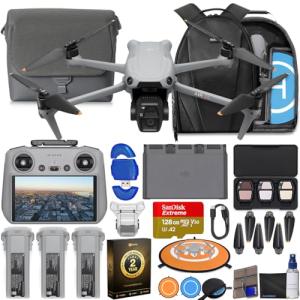
DJI Air 3S Drone Fly More Combo Bundle
Capture stunning aerial views and elevate your photography game with this all-in-one package
Product information
$2,398.00
Product Review Score
4.23 out of 5 stars
214 reviewsProduct links
Airspace Rules You Need to Follow
Flying a drone can be a blast, but you’ve got to play by the rules. Knowing the airspace rules is a big part of following drone regulations and keeping everyone safe. Always keep your drone in sight. That means no flying beyond the visual line of sight. If you can’t see it, you can’t control it, and things can go sideways pretty fast.
Make sure you’re aware of the no-fly zones. Airports, military bases, and crowded areas often have restrictions. You can check apps or websites that map out where you can and can’t fly. Staying within legal boundaries saves you from fines and keeps your flying experience stress-free.
Altitude limits are another key point. Most places let you fly up to 400 feet, but that can change based on local drone regulations. Overstepping that isn’t just risky; it can also land you in trouble with the authorities. If you want to do some serious aerial shots, check if you need a special permit or if there’s a higher altitude limit you can work with.
Don’t forget about privacy laws! Just because you can fly doesn’t mean you should invade someone’s personal space. Be respectful and avoid flying over private property without permission. Keeping your drone flying within the bounds of these laws makes the experience enjoyable for everyone.
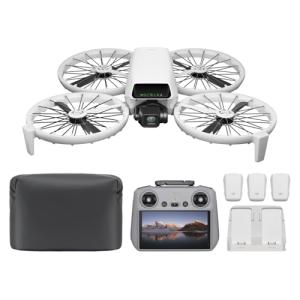
DJI Flip Fly More Combo Drone with 4K Camera
Capture stunning 4K footage with this versatile drone that's perfect for beginners and experienced flyers alike
Product information
$769.00
Product Review Score
4.11 out of 5 stars
16 reviewsProduct links
Tips for Flying Drones Safely
Flying drones can be a blast, but it's super important to keep safety in mind. Here are some simple tips to make sure you're flying safely while staying on the right side of Drone Regulations.
First off, know the rules in your area. Before you take off, check local Drone Regulations. Different places have different laws about where you can fly and how high you can go. This can vary from city to city, so it's worth taking the time to look it up.
Always keep your drone in sight. It's easy to get caught up in flying, but you need to be aware of your surroundings. Losing sight of your drone can lead to accidents, and it’s best to avoid that. Keeping your drone within visual line of sight also helps you stay compliant with Drone Regulations.
Watch the weather. Flying in strong winds or rain can lead to crashes and damage your drone. A calm, clear day is perfect for flying, so plan accordingly. Plus, many Drone Regulations suggest avoiding bad weather conditions to promote safe flying.
Lastly, be respectful of other people. If you’re near parks, events, or residential areas, keep your distance. Nobody likes a drone buzzing overhead, and it can lead to complaints or even fines if you’re not following Drone Regulations. Always aim to fly considerate and keep everyone happy!