Before you take to the skies with your drone, you need to know some crucial drone regulations. These rules keep everyone safe, including you, your drone, and the people around you. Trust me, flying can be great fun, but flying without knowing the rules can lead to some serious trouble.
First off, always fly below 400 feet. This is the height limit set for most drones. Keeping it low helps you avoid manned aircraft and keeps the skies organized. Also, make sure to keep your drone within your line of sight. This means you should be able to see your drone at all times. It’s easier to control and safer for others around you.
Next, check if you need to register your drone. In many places, drones over a certain weight must be registered with the FAA or local authorities. Registration is quick and easy, and it’s worth it for peace of mind. Don’t forget to label your drone with your registration number. This helps if it ever gets lost and needs to find its way home!
Keep an eye out for no-fly zones. These areas are off-limits for flying drones. Airports, government buildings, and some parks often fall into this category. There are plenty of apps that can help you stay informed about these zones. Always double-check and respect these regulations to avoid fines or other issues.
Lastly, respect people’s privacy. Don't fly too close to homes or crowded areas. Just because your drone has a camera doesn’t mean you should use it to snoop around. Following these drone regulations isn’t just about the law; it’s about being a considerate flyer and ensuring everyone can enjoy the skies safely.
Local Laws and Guidelines
First, check if there are no-fly zones nearby. Airports, military bases, and certain wildlife areas are usually off-limits for drone flying. You can often find this info on your local government or aviation authority’s website. Many areas use apps that show restricted zones in real-time, making it easier to plan your flights safely.
Another big piece of the puzzle is registration. In many countries, if your drone weighs over a certain amount, you must register it before flying. This often includes labeling your drone with the registration number. It’s a small step that goes a long way in keeping you compliant with drone regulations.
Don’t forget about privacy laws. While it might be fun to capture stunning aerial shots, you could run into trouble if you invade someone’s privacy. Always respect people’s personal space and avoid flying over private property without permission.
Following these local laws and guidelines not only keeps you out of trouble but also makes flying more enjoyable. When you’re aware of the drone regulations, you can focus on enjoying the view and capturing amazing footage!
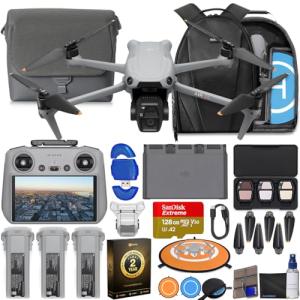
DJI Air 3S Drone Fly More Combo Bundle
Capture stunning aerial views and elevate your photography game with this all-in-one package
Product information
$2,398.00
Product Review Score
4.23 out of 5 stars
214 reviewsProduct links
Airspace Restrictions Explained
When flying your drone, it's super important to know the airspace restrictions in your area. These rules help keep everyone safe, including you and others in the sky and on the ground. Different types of airspace have different restrictions, and understanding them can save you from getting into trouble.
Generally, airspace is classified into a few categories like controlled, uncontrolled, and restricted airspace. Controlled airspace is found near airports where planes are taking off and landing. If you see a no-fly zone on your drone app, it’s best to stay clear. Flying in these areas without permission can lead to hefty fines or worse.
Uncontrolled airspace is typically less busy, like rural areas. You have a bit more freedom here, but you still need to keep an eye on the local rules. It’s always good practice to check if there are any temporary flight restrictions in place, especially during events or emergencies.
Restricted airspace is another critical area to keep in mind. These zones are in place for military operations or environmental protection. If your drone app shows a restricted area, don’t fly there. Following these drone regulations shows that you’re a responsible pilot and helps keep the skies safe for everyone.
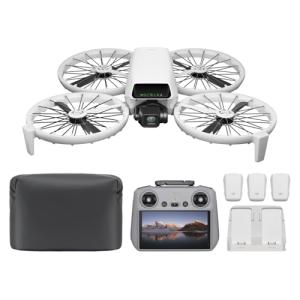
DJI Flip Fly More Combo Drone with 4K Camera
Capture stunning 4K footage with this versatile drone that's perfect for beginners and experienced flyers alike
Product information
$769.00
Product Review Score
4.11 out of 5 stars
16 reviewsProduct links
Staying Safe While Flying Drones
Flying drones can be a ton of fun, but safety should always come first. To keep your flying experience enjoyable, you’ve got to know the basics of drone regulations. This means keeping your drone in sight, staying away from crowded places, and avoiding flying near airports. It's not just about obeying the laws; it’s about making sure everyone can enjoy the skies.
Another key point is to respect privacy. Drones can capture some amazing shots, but zooming into someone’s backyard without permission isn’t cool and may even land you in trouble. Follow drone regulations to avoid conflict and keep good relations with your neighbors.
Weather is another big consideration. Don’t fly your drone in high winds, rain, or fog. Not only does bad weather make flying tricky, but it also increases the chances of crashing. Always check the weather before heading out and ensure it’s safe to fly.
Lastly, don’t forget about checking your drone before each flight. Make sure the battery is charged, the propellers are secure, and everything looks good. Staying compliant with drone regulations starts with being responsible and prepared!