When you grab your drone and head out to fly, you might feel like you're stepping into a new world of possibilities. But before you lift off, it’s super important to get a handle on local drone regulations. Trust me, understanding these rules makes your flying experience fun and safe.
First things first, each area has its own set of laws regarding drone use. Whether you’re in a city or a rural area, it helps to check with local authorities. For example, some parks and recreational areas have restrictions on flying drones. You might find that certain zones are completely off-limits because of privacy concerns or wildlife protection. Always keep an eye out for signs or official guidelines!
An essential part of understanding drone regulations is knowing about no-fly zones. Airports, military bases, and sometimes even crowded events can fall into this category. These zones are designed to keep everyone safe, including you. There are apps available that show you these restricted areas, so download one before your flight. It’s a quick and easy way to avoid any trouble.
Don’t forget about altitude limits and distance. Most regulations require you to keep your drone within your line of sight and to stay below a certain height, usually around 400 feet. Keeping your drone where you can see it helps you avoid obstacles and gives you control over any unexpected situations.
Finally, don’t ignore registration requirements for your drone. In many places, if your drone weighs more than a certain amount, you must register it with local aviation authorities. This is just another way to keep flying safe and regulated. Take the time to familiarize yourself with drone regulations so you can enjoy your aerial adventures without any hiccups!
Key Safety Tips for Drone Pilots
Flying a drone can be a blast, but safety is key! A few tips can keep you and your drone out of trouble while you enjoy the skies. First off, always check local drone regulations before you take off. Laws can vary significantly depending on where you are. Make sure you know what’s allowed and what’s not to avoid any unwanted run-ins.
Before you even get going, do a pre-flight check. Ensure your drone is in good shape. Check the battery, propellers, and camera. You don’t want to be mid-flight and have a battery die on you. This simple step can save a lot of headaches!
While airborne, keep your drone within your line of sight. This helps you maintain control and avoid any obstacles, including other people, animals, and buildings. Also, be aware of your surroundings. If you see large crowds or restricted areas, steer clear! Following these safety practices supports safe flying and aligns with many drone regulations.
Last but not least, respect the rules around altitude and no-fly zones. Many areas, like airports and government buildings, have strict regulations that you absolutely must follow. It’s your responsibility as a pilot to know and adhere to these rules. Stay informed and keep flying safe!
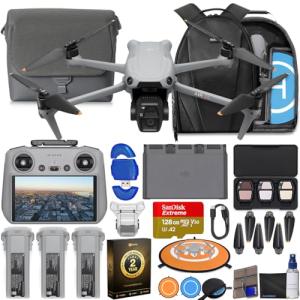
DJI Air 3S Drone Fly More Combo Bundle
Capture stunning aerial views and elevate your photography game with this all-in-one package
Product information
$2,398.00
Product Review Score
4.23 out of 5 stars
214 reviewsProduct links
Getting Started with Airspace Restrictions
Flying a drone can be super exciting, but it's important to know the airspace restrictions that come with it. Understanding drone regulations helps keep everyone safe and avoids those pesky fines or worse. Each country has its own set of rules, so if you're flying, make sure to check those out first.
One of the first things to do is get familiar with the different types of airspace. In simple terms, airspace is divided into several categories, like restricted, controlled, and uncontrolled areas. Restricted areas are off-limits for drones, usually for safety reasons. Controlled airspace is typically around airports where you’ll need special permission to fly. Uncontrolled airspace isn’t as strict, but it's still wise to be cautious and aware of any nearby manned aircraft.
Using apps or websites designed for drone pilots can make things way easier. These tools let you know what airspace you’re in, along with any restrictions in real-time. Plus, you’ll get insights on any temporary flight restrictions that might pop up. Staying informed will help keep your flights smooth and safe.
Finally, don’t forget to check for any local regulations that might apply. Some cities or states have their own rules about where and when you can fly, so it’s worth the little extra effort to get informed. Following these drone regulations not only helps you avoid trouble but also promotes safe flying for everyone in the area.
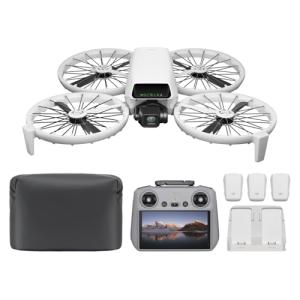
DJI Flip Fly More Combo Drone with 4K Camera
Capture stunning 4K footage with this versatile drone that's perfect for beginners and experienced flyers alike
Product information
$769.00
Product Review Score
4.11 out of 5 stars
16 reviewsProduct links
Staying Updated on Drone Laws
First things first, each country may have different rules. In the U.S., the Federal Aviation Administration (FAA) sets the guidelines. They have resources like the FAA’s website where you can find the most current information. Check it regularly for updates, especially if you’re planning to fly in new areas.
Also, local laws can vary. Some cities or states may have additional restrictions, especially in public places, parks, or near airports. It’s a good idea to look up local regulations before you take off. A quick search online can save you a lot of headaches later.
Joining online forums or drone communities is another great way to stay in the loop. Other flyers often share updates about new drone regulations and their experiences. Plus, it’s a good way to connect with like-minded people who can help answer your questions. The more informed you are, the better your flying experience will be!