When you’re diving into the world of drones, understanding the basics of drone regulations is a must. These rules are here to keep you, others, and even your drone safe while flying. Ignoring them could lead to fines or worse, so let’s break it down simply.
First up, know where you can fly. Many places have restrictions like parks, near airports, or crowded areas. Always check for no-fly zones to avoid any trouble. Your local aviation authority usually has maps or apps to help you figure out the best spots. Staying away from restricted areas keeps everyone safe and lets you fly worry-free.
Next, you need to think about altitude. Most regulations say you can’t fly above 400 feet. This limit helps you avoid air traffic, like manned aircraft. It also gives you a better chance to take those awesome aerial shots without causing any issues.
Don’t forget about registering your drone if it weighs over 0.55 pounds. It's super easy to do online and gives you some peace of mind. Having it registered shows that you’re a responsible drone pilot and know the drone regulations that come with it.
Finally, always keep your drone in sight. This is important for safety and staying compliant with drone regulations. Losing track of where your drone is can lead to accidents. Flying within your line of sight means you can react quickly to any issues, ensuring a fun flying experience.
Local Regulations You Should Check
When it comes to flying your drone, knowing the local regulations is a must. Each area can have different rules, and you definitely don’t want to accidentally break any laws while enjoying your flight. So, before you take to the skies, take a moment to check out the regulations in your area.
Start by checking with your local government. They often have the most up-to-date info about where you can and can't fly your drone. Some parks and recreational areas might have restrictions, so it’s smart to get familiar with those. If you're in a city, watch out for no-fly zones near airports, schools, and other sensitive sites.
Federal Aviation Administration (FAA) guidelines are important too, especially if you're in the U.S. They provide general drone regulations that all pilots should follow, like altitude limits and registration requirements. If you plan to use your drone for commercial purposes, make sure you know the additional rules that kick in.
Don’t forget to check any community-specific regulations as well. Some homeowners’ associations or local clubs may have their own rules about flying drones, especially if you’re zooming around in residential neighborhoods. Being a good neighbor means respecting these guidelines.
Keeping up with drone regulations isn’t just about staying legal. It also helps ensure a safer flying experience for you and those around you. So double-check those local rules and fly happy!
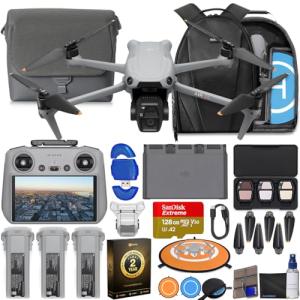
DJI Air 3S Drone Fly More Combo Bundle
Capture stunning aerial views and elevate your photography game with this all-in-one package
Product information
$2,398.00
Product Review Score
4.23 out of 5 stars
214 reviewsProduct links
Flying Near Airports and Restricted Areas
Generally, you should stay at least five miles away from airports. It’s a good practice to have an app or tool that gives you a map of restricted zones. These resources help you know which areas are off-limits before you start flying. Imagine the hassle if you launched your drone only to find out you were close to an airport; you could end up in trouble!
Restricted areas aren’t just about airports. You’ll find military bases, national parks, and other sensitive locations that come with their own rules. Always verify the local drone regulations to avoid flying into restricted zones. It’s not just about following the law; it’s about being a responsible drone pilot and keeping the skies safe for everyone.
If you're in doubt, reach out to local drone clubs or online communities. Fellow pilots can share tips and advice about where you can and can't fly. When you take the time to understand these drone regulations, you set yourself up for a safe and enjoyable flying experience!
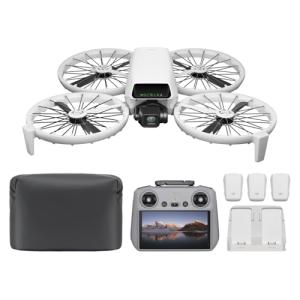
DJI Flip Fly More Combo Drone with 4K Camera
Capture stunning 4K footage with this versatile drone that's perfect for beginners and experienced flyers alike
Product information
$769.00
Product Review Score
4.11 out of 5 stars
16 reviewsProduct links
Staying Safe with Your Drone
Flying a drone is fun, but keeping safety at the top of your mind is super important. So, what do you need to know about drone regulations? First off, always check the local laws before you take to the skies. These rules can change depending on where you live, and staying updated helps you avoid any unwanted fines.
Another key point is keeping your drone within sight. This means you should always be able to see your drone while it's flying. It’s not just a legal requirement but also a great way to prevent accidents. Losing track of your drone can lead to crashes or collisions, which is the last thing anyone wants!
Don’t forget about respecting privacy. Many areas have rules about flying over private property or where people gather. Always ask for permission if you want to fly over someone’s home or event. Following these drone regulations not only keeps you out of trouble but also helps build a trustworthy relationship with your community.
Lastly, pay attention to airspace rules. Drones can’t fly in restricted areas, like near airports or military zones. Using apps like AirMap or UAV Forecast can help you identify safe flying spots. Being aware of these regulations means you can enjoy your drone while keeping everyone else safe and sound.