When you start flying drones, understanding the local drone laws is super important. Each country and even different states or cities can have their own rules. It's essential to check these regulations before taking your drone for a spin. You don't want to end up on the wrong side of the law, right?
Most places have basic rules like avoiding flying near airports, not flying higher than a certain altitude, and staying away from crowded areas. Other regulations might require you to keep your drone in sight at all times or even register your drone with the local authorities. Get familiar with these rules to make sure you're flying safely and legally.
Local drone regulations can also include restrictions on where you can launch and land your drone. Some parks and recreational areas might ban drone use altogether. Always look up local ordinances before you plan your flying location. A little research can save you a lot of hassle.
Don’t forget about privacy laws, too. Flying your drone over someone’s backyard without permission isn’t just creepy; it could also land you in legal trouble. Respect others' privacy and always be mindful of where you're flying.
Keeping up with changing drone regulations can feel overwhelming, but it's a must if you want to enjoy your flying experience. Follow the laws, stay safe, and keep the skies friendly for everyone!
Safety Tips for Responsible Flying
Flying a drone can be a blast, but safety should be your top priority. Follow these simple tips to keep yourself and others safe while enjoying your flights.
First things first, always stay aware of your surroundings. Before you take off, check the area for people, pets, and any obstacles that could get in your way. The last thing you want is to accidentally fly into something or someone. Keeping your drone in sight is key, so don’t let it drift too far away while you’re focused on capturing that perfect shot.
Next, know the drone regulations in your area. Each country, and sometimes regions within them, have specific rules regarding where you can fly. It’s super important to familiarize yourself with these laws to avoid fines or worse. You wouldn’t want your fun day flying your drone to turn into a hefty ticket!
Also, don’t fly in bad weather. Wind, rain, or snow can mess with your drone’s performance. If the weather isn’t right, just wait it out. The best flights happen when conditions are clear and calm, giving you the best chance at a smooth fly.
Finally, make sure your drone is in tip-top shape before every flight. Check the battery, propellers, and any features you plan to use. Regular maintenance keeps your drone running smoothly, ensuring you can focus on flying instead of fixing things mid-air. A little prep goes a long way in responsible flying!
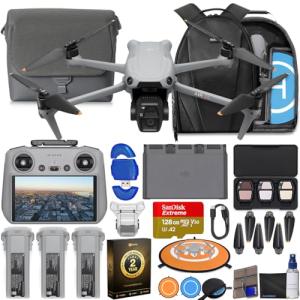
DJI Air 3S Drone Fly More Combo Bundle
Capture stunning aerial views and elevate your photography game with this all-in-one package
Product information
$2,398.00
Product Review Score
4.23 out of 5 stars
214 reviewsProduct links
Permits and Registration Made Simple
Navigating through drone regulations can feel overwhelming, but it doesn't have to be. Let’s break it down in easy steps. First off, if your drone weighs over 0.55 pounds (that’s about 250 grams), you'll need to register it with the FAA. Registration is quick and simple, and it helps ensure responsible flying. All you need is a valid credit or debit card and a few minutes to fill out the online form.
Once you’ve registered, you'll get a unique identifier for your drone. Make sure to label your drone with this number. It’s required, and it helps with identification if your drone ever goes missing or goes a bit rogue!
For those flying for recreational purposes, you can fly your registered drone without too much hassle. Just keep a few rules in mind: stay below 400 feet, keep your drone within visual line of sight, and avoid flying near airports or crowds. If you’re looking to make a little money with your drone, you’ll need to get a remote pilot certificate. This involves a little studying and passing an FAA test, but it's a good investment if you're serious about flying commercially.
Remember, understanding drone regulations keeps everyone safe and helps you enjoy flying without stress. Keep your paperwork in order, and before you know it, you’ll be soaring through the skies like a pro. Safe flying!
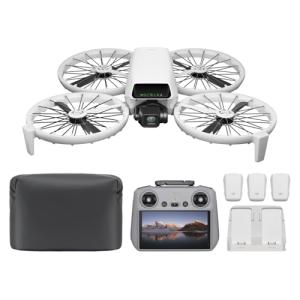
DJI Flip Fly More Combo Drone with 4K Camera
Capture stunning 4K footage with this versatile drone that's perfect for beginners and experienced flyers alike
Product information
$769.00
Product Review Score
4.11 out of 5 stars
16 reviewsProduct links
What to Do After a Crash
So, your drone just crashed. Don’t panic; it happens to the best of us. First things first, check if everyone’s okay. Your safety and the safety of others is the priority—drone regulations are there for a reason. Make sure you’re not in a crowded area or near any hazards.
Next, take a deep breath and assess the damage. Look for any obvious signs of wear and tear. Is the propeller broken? Does the body have cracks? A quick visual inspection will help you decide if it’s time for repairs or if you need to find a new drone. If you’re unsure about what to do, don’t hesitate to reach out to your manufacturer for help. Some companies have handy guidelines to fix common issues.
If your drone landed somewhere tricky or flew out of sight, you’ll need to track it down. If you lose sight of it, the first thing to do is check the last location on your app or remote. Many drones come with GPS trackers, so make sure to utilize that feature. Drone regulations often require you to know where your drone is at all times, so having GPS can save you a lot of trouble.
After you’ve retrieved your drone and sorted out any damage, it’s a good time to refresh your memory on drone regulations. Familiarize yourself with any local laws regarding drone operation and safety. This could save you from future mishaps and keep your flying experience enjoyable!