Flying a drone is super fun, but you’ve got to know the rules before taking off. Each country has its own set of drone regulations that you need to follow to keep yourself and others safe. In the U.S., the Federal Aviation Administration, or FAA, is your go-to for all things related to flying drones. They have specific guidelines that you must obey if you want to avoid fines or worse.
First off, if you’re flying a drone that weighs more than 0.55 pounds, you need to register it with the FAA. It’s a quick process and costs about $5. Trust me, it's worth it for the peace of mind. Once registered, make sure to attach your registration number to the drone. Not doing so can lead to some serious trouble!
Another key part of drone regulations is where you can fly. Stay away from airports and keep your drone below 400 feet. Keep an eye out for no-fly zones too—some places like schools, parks, and government buildings are off-limits. Respect those rules to keep your flying experience smooth and stress-free.
Finally, always keep your drone in sight. This means no flying it out of your line of sight or using it in a way that could endanger others. Being responsible is key! Knowing the federal laws as well as state and local rules will help you enjoy your flying adventures without any hiccups.
So, before you start exploring the skies, brush up on those drone regulations in your area. It’ll make your flying experience fun and safe!
Where to Fly Drones Safely
Flying your drone can be a blast, but picking the right spot matters a lot. First things first, always check local laws and drone regulations. Some areas have strict rules about where you can and can't fly. National parks, for instance, usually don’t allow drone flying. Always double-check before you launch!
Airports are no-fly zones. Staying away from these areas is crucial for safety. Look for maps or apps that show restricted zones. It’s super easy to accidentally wander into an area where you shouldn't be. If someone gets in trouble, it’s not just them; it could also lead to tighter drone regulations for everyone!
Public spaces can be great for flying, but it's essential to be considerate. Parks are often good spots, but make sure there’s enough open space and keep an eye out for people. When others are around, always fly your drone responsibly. Respect privacy and give people a wide berth. If someone seems uneasy, just give them space and find a different spot.
Lastly, rural areas can offer fantastic flying opportunities without much hassle. Wide-open spaces and fewer people make it a dream for drone enthusiasts. Just remember to stay within the rules and keep an eye on your drone. Knowing where to fly is just as important as knowing the drone regulations.
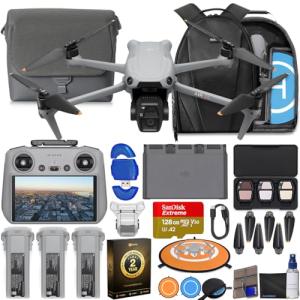
DJI Air 3S Drone Fly More Combo Bundle
Capture stunning aerial views and elevate your photography game with this all-in-one package
Product information
$2,398.00
Product Review Score
4.23 out of 5 stars
214 reviewsProduct links
Avoiding No-Fly Zones
Flying a drone can be super fun, but you need to keep safety and rules in mind. One big part of that is understanding no-fly zones. These are specific areas where you can’t operate your drone. Why? They help keep everyone safe, including people on the ground and other aircraft. Knowing about drone regulations is key if you want to avoid fines or worse.
No-fly zones typically include places like airports, military bases, and national parks. You’ll want to check a no-fly zone map or an app before heading out to avoid these areas. The last thing you want is to unintentionally violate drone regulations and face some serious penalties. Plus, flying in these spots can be dangerous!
So, how do you make sure you stay compliant? First, download reliable apps like “B4UFLY” or “AirMap.” They give real-time info on where you can and can’t fly. It’s always a good idea to double-check before any flight. Just think of it as part of your pre-flight checklist.
Remember, understanding drone regulations isn’t just about following the law—it’s about being a responsible flyer. Respecting no-fly zones keeps everyone safe and helps the drone community maintain a good reputation. Stay smart, stay safe, and enjoy your flying adventures!
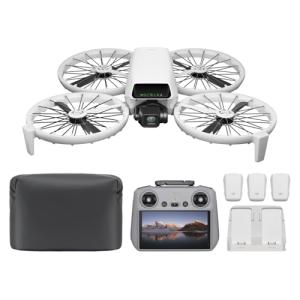
DJI Flip Fly More Combo Drone with 4K Camera
Capture stunning 4K footage with this versatile drone that's perfect for beginners and experienced flyers alike
Product information
$769.00
Product Review Score
4.11 out of 5 stars
16 reviewsProduct links
Tips for Complying with Regulations
Staying on the right side of drone regulations is a must for any pilot. Whether you're just starting out or you've been flying for a while, keeping these tips in mind will help you avoid trouble and have more fun in the air.
First off, make sure you know the rules in your area. Different countries, states, and even cities can have varying drone regulations. You might not need a license in your backyard, but the local park could have some strict rules. Always double-check before you take off.
Registration is a big deal. If your drone weighs over a certain amount, you’ll need to register it with the FAA in the U.S. It’s a pretty straightforward process, and it keeps you in good standing. Plus, it lets others know you’re a responsible pilot.
Keep your drone in sight at all times. This is one of those key regulations you don’t want to overlook. Flying out of your visual line of sight can lead to headaches, both for you and others around you. Plus, you never know when you might need to dodge a tree or avoid people.
Lastly, don’t forget about airspace restrictions. Certain areas, like airports or crowded events, have specific drone regulations to keep everyone safe. Always check a map before you fly to make sure you’re not entering restricted airspace. It’s easy to avoid issues if you plan ahead!