When you dive into the world of flying drones, knowing the basic drone rules is super important. These aren't just pesky regulations; they help keep everyone safe, including you and your shiny new gadget. Understanding drone regulations can save you a lot of headaches, so let’s break it down.
First things first, always know where you can and can’t fly. Keeping your drone in sight is a must. This means you shouldn’t be zipping it around behind buildings or out of your line of vision. Most countries require this to ensure you can react quickly if something goes wrong. Plus, it’s often illegal to fly near airports or crowded areas, so keep that in mind!
Another important rule is altitude. In many places, you can't fly higher than 400 feet. Flying too high can interfere with manned aircraft, and that’s a big no-no. Some drones have built-in altitude limits to help you out, so check yours and stick to it.
Also, remember to respect others’ privacy. That means don’t hover over people’s backyards or take photos of folks without their permission. Most drone regulations emphasize keeping a respectful distance from others, so be mindful and keep your flying friendly.
And, if you’re planning to fly your drone for commercial purposes, you need to get a license. That's right! If you're using your drone to make money, like for photography or inspections, understand the specific drone regulations in your area. It's all about playing safe and legally while having fun flying!
Register Your Drone with the FAA
When you buy a drone, one of the first things you need to think about is registering it with the FAA. It might sound like a hassle, but it’s actually pretty straightforward and totally worth it. If your drone weighs more than 0.55 pounds (that’s about 250 grams), you need to register. Just think of it as a way to follow the rules and keep the skies safe for everyone.
The registration process is simple! Just hop onto the FAA’s website, fill out a quick form, and pay a small fee. You’ll get a registration number that you must label on your drone. Easy peasy! This step is super important because it makes it easier for authorities to identify the drone if there’s ever an issue. Plus, flying a registered drone keeps you on the right side of the law.
Keep in mind that Drone Regulations vary depending on how you use your drone. If you're flying for fun, the rules are usually more relaxed than if you're using it for commercial purposes. Always check the latest guidelines, so you’re not caught off guard. It helps to stay informed, especially since regulations can change over time.
Making sure your drone is registered might feel like an extra step, but it's a small price to pay for peace of mind. Once you take care of that, you can focus on enjoying your flying experience without any worries. After all, knowing you’re compliant with Drone Regulations means more fun in the skies!
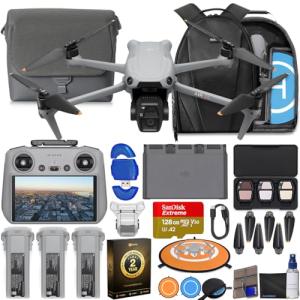
DJI Air 3S Drone Fly More Combo Bundle
Capture stunning aerial views and elevate your photography game with this all-in-one package
Product information
$2,398.00
Product Review Score
4.23 out of 5 stars
214 reviewsProduct links
Where You Can and Can't Fly
When it comes to flying your drone, knowing where you can and can't go makes all the difference. Following drone regulations keeps you safe and ensures that you don’t run into trouble. Some areas are a definite no-fly zone, while others are perfectly fine for capturing stunning aerial shots.
First off, you can fly your drone in many open spaces like parks and fields. Just be sure to check local rules since some places might have restrictions. Look for any signs or municipal regulations that mention drone use. Also, remember to keep your drone within your line of sight. This isn’t just a good practice; it’s part of the drone regulations you should follow.
Areas near airports are a big no. You should never attempt to fly within a certain distance of an airport, usually around five miles. This is super important because it can interfere with manned aircraft. Schools, hospitals, and other crowded places also often have restrictions, so steer clear of those spots. You might also run into no-fly zones around military bases or national parks, so always check before you launch.
Always keep an eye on local regulations too, as they can change. Some cities may have their own rules about flying in highly populated areas, so it’s wise to stay updated. By staying informed about drone regulations, you can enjoy your flying without worrying about fines or accidents. Just use common sense and respect the rules; your drone adventures will be a lot smoother!
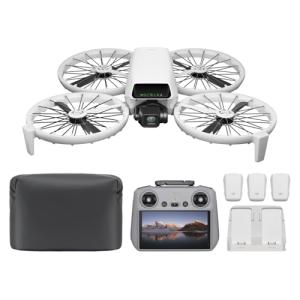
DJI Flip Fly More Combo Drone with 4K Camera
Capture stunning 4K footage with this versatile drone that's perfect for beginners and experienced flyers alike
Product information
$769.00
Product Review Score
4.11 out of 5 stars
16 reviewsProduct links
Staying Safe and Responsible While Flying
When you’re out flying your drone, keeping safety and responsibility in mind is super important. Anyone can enjoy flying, but it comes with a few rules you need to follow. Understanding drone regulations helps you get the most out of your flying experience without any hiccups.
First off, stay updated on local drone regulations. They can vary a lot depending on where you live. Some areas might require you to register your drone or have specific no-fly zones, especially near airports or crowded places. Always do a quick check before you head out, so you know where you can and can’t fly.
Another crucial point is respecting the privacy of others. Drones are cool, but flying over someone's property without permission can lead to major issues. Make sure you keep your drone at a friendly distance from homes, schools, and other private areas to avoid any unwanted trouble.
It's also important to stay within the drone’s capabilities. Keep it within your line of sight and avoid flying too high. This not only follows drone regulations but also keeps your drone safe from crashing. Familiarize yourself with the controls and the features of your drone to make your flying experience easy and enjoyable.
Finally, remember to check the weather. Flying in high winds or rain isn’t just risky for your drone, but it can also violate safety regulations. Always choose clear, calm days for your adventures, ensuring both your safety and the safety of those around you.