When you dive into the world of drones, understanding the basics of drone regulations is key to flying safely and legally. Each country has its own rules, so it’s essential to know what applies to you. If you're in the U.S., for example, the Federal Aviation Administration (FAA) sets the guidelines, and they can be pretty straightforward.
First off, always register your drone if it weighs more than 0.55 pounds. Registration is quick and inexpensive. Once you're registered, make sure to display the registration number on your drone. No one likes to deal with fines, and following this step keeps you on the right side of the law.
Next, familiarize yourself with the no-fly zones. Places like airports, military bases, and national parks often have restrictions due to safety concerns. Most flying apps provide alerts about these zones, so check them out before you take off. It's all about keeping everyone safe, including yourself!
Finally, keep an eye on your flying height. Generally, you can’t fly higher than 400 feet. Staying within this limit helps avoid collisions with manned aircraft. Also, remember to always keep your drone in your line of sight. This way, you're aware of what's happening around you.
Getting to know these basics about drone regulations is essential for any drone enthusiast. Just a little preparation can set you up for some great flying experiences while avoiding any legal hiccups! Fly smart and enjoy the skies!
Flying Your Drone Legally and Safely
Flying your drone is a blast, but it’s super important to know the Drone Regulations to keep yourself and others safe. Before you take to the skies, make sure you understand the basic rules. For starters, always fly below 400 feet to avoid manned aircraft. This keeps you safe and helps prevent potential accidents.
Another key rule is keeping your drone in sight. You’ve probably heard of the “line of sight” requirement. This means you need to see your drone with your own eyes while it’s in the air. If you can’t see it, it’s time to bring it back down. Some people use a buddy system where one flies and the other keeps an eye on the drone, which is a smart way to stick to the regulations.
Don’t forget about no-fly zones! Airports, schools, and military bases often have strict regulations against flying drones nearby. There are apps and maps available that show where you can and can’t fly, making it easier to plan your flights. Always check these before heading out, as flying in restricted areas can come with hefty fines.
Also, register your drone if it weighs over 0.55 pounds. Registration isn’t just a formality; it helps everyone keep track of drones and ensures accountability. It’s a quick process that adds a layer of responsibility to your flying adventure. Just like driving a car, you need to respect the rules of the road—or in this case, the sky!
Being aware of Drone Regulations isn’t just about not getting in trouble—it’s about being a good drone pilot. Following these guidelines helps ensure everyone can enjoy the fun of flying without worry. So get out there, fly responsibly, and have a great time!
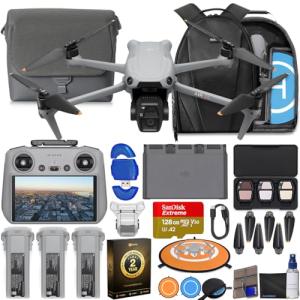
DJI Air 3S Drone Fly More Combo Bundle
Capture stunning aerial views and elevate your photography game with this all-in-one package
Product information
$2,398.00
Product Review Score
4.23 out of 5 stars
214 reviewsProduct links
Registration and Labeling Made Easy
Registering your drone doesn’t have to feel like a chore. In fact, it’s pretty straightforward. If your drone weighs more than 0.55 pounds (250 grams), you need to register it with the FAA. Give the registration a quick online visit, fill out the form, and boom—you’re all set. The whole process takes just a few minutes, and it’s valid for three years.
Once you’re registered, it’s time for labeling. Every drone that you register gets a unique identification number. Just stick that number on your drone where it can be easily seen. This is a must for compliance with drone regulations. It’s a simple step that helps in case your drone ever gets lost or needs to be identified by authorities.
Remember, flying a drone also comes with responsibilities. Along with registration and labeling, you need to understand the airspace where you’ll be flying. Some areas have restrictions, especially near airports or crowded places. Always check local drone regulations before heading out.
By keeping your drone registered and labeled, you’re not just following the rules—you’re also making sure you can enjoy flying without any headaches. Being informed helps you stay safe and respectful of others while you experience the joy of drone flying.
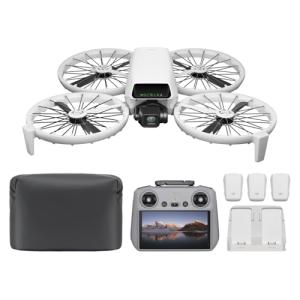
DJI Flip Fly More Combo Drone with 4K Camera
Capture stunning 4K footage with this versatile drone that's perfect for beginners and experienced flyers alike
Product information
$769.00
Product Review Score
4.11 out of 5 stars
16 reviewsProduct links
Finding Local Laws and Guidelines
When it comes to flying your drone, knowing the local laws and guidelines is super important. Each area can have different rules, and you don’t want to be that person who gets in trouble for not following them. Start by checking out your city or county’s official website. They usually have sections dedicated to drone regulations that Lay everything out clearly.
Another great resource is the Federal Aviation Administration (FAA) website. They provide a lot of useful info on drone regulations, especially for those who are new to flying. You can find everything from how high you can fly to the no-fly zones. Make sure you read up on it because these rules help keep everyone safe.
Consider joining local drone clubs or online communities. These folks are usually in the know about the latest regulations and can share their experiences flying in your area. They can also give you tips on places that are great for flying.
Lastly, don’t forget about the importance of keeping an eye on updates. Drone regulations can change, and staying informed helps you avoid any surprises. Just a little research goes a long way in ensuring that your flying experience is not just fun, but also safe and lawful!