When you’re excited about flying your new drone, it’s easy to forget about the rules that come with the fun. Knowing the basics of drone regulations helps keep you and others safe while giving you peace of mind. Trust me, you don’t want to end up on the wrong side of the law.
First off, check if your drone needs to be registered. For most drones weighing over 0.55 pounds, you’ll need to register with the FAA. It’s a straightforward process, just a quick online form and a small fee. Once registered, you’ll receive a unique ID that must be displayed on your drone.
Next, pay attention to where you fly. Generally, you should steer clear of crowded areas and avoid flying near airports or military bases. These buffer zones help keep air traffic safe and reduce the chance of accidents. Use apps or websites that show restricted airspace to stay informed before you take off.
Finally, always keep your drone in sight. This is called “line of sight” flying, and it’s crucial. It means you should be in a position to see your drone at all times while it’s flying. This rule ensures you can react quickly if anything goes awry, whether it’s a bird collision or a sudden change in weather.
Where to Fly Your Drone Safely
Finding a safe spot to fly your drone is super important, especially with the drone regulations you need to follow. Not all places are created equal when it comes to flying. Some areas have strict rules, while others are more relaxed. Always check the local regulations before taking off to avoid any trouble.
Popular spots to fly your drone include parks and open fields. Just make sure you’re not flying over large crowds or near airports. Look for places that are designated for drones. These areas often have fewer restrictions, making it easier to enjoy your flying experience.
If you're near the coast, flying over the beach can be fantastic. But don't forget to check for any drone regulations specific to coastal zones. Many beaches have rules about flying drones, mainly to ensure everyone’s safety and privacy.
Using apps like B4UFLY can help you navigate the rules and find safe spots. This app shows temporary airspace restrictions and lets you know if you’re good to fly. It’s a handy tool to avoid any run-ins with the regulations!
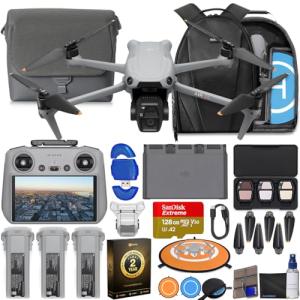
DJI Air 3S Drone Fly More Combo Bundle
Capture stunning aerial views and elevate your photography game with this all-in-one package
Product information
$2,398.00
Product Review Score
4.23 out of 5 stars
214 reviewsProduct links
Registering Your Drone Simplified
Registering your drone really doesn’t have to be a hassle. Knowing the right steps, though, can make all the difference. First off, if your drone weighs more than 0.55 pounds (250 grams), you need to register it with the FAA. This applies to most popular consumer drones on the market, so check that weight before you start flying!
To get started, head to the FAA’s registration page. The whole process is pretty user-friendly. You’ll fill out some basic information, like your name and address, and then pay a small fee (currently $5), which is good for three years. Once you’re registered, you’ll receive a unique ID number that needs to be displayed on your drone. This makes it easy for authorities to track and identify your drone if needed.
Don’t forget that following drone regulations is just as important as registering it. Make sure to stay informed about where you can fly. For instance, steer clear of restricted areas like airports and national parks unless you’ve got special permission. It helps to keep an eye on apps that show no-fly zones. Being informed means smoother flying without any unexpected interruptions!
Lastly, keep your registration documents handy. You may need to show them if you’re approached by law enforcement or other officials. Keeping everything organized will make sure you won’t run into any hiccups when you're out flying your drone. It’s all about keeping the skies safe for everyone and enjoying the thrill of flying. Happy droning!
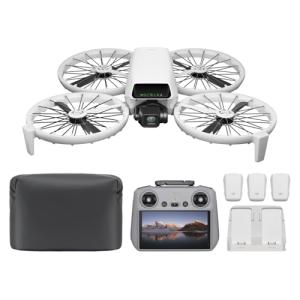
DJI Flip Fly More Combo Drone with 4K Camera
Capture stunning 4K footage with this versatile drone that's perfect for beginners and experienced flyers alike
Product information
$769.00
Product Review Score
4.11 out of 5 stars
16 reviewsProduct links
Staying Compliant with Local Laws
When it comes to flying drones, knowing the rules is super important. Every country has its own set of drone regulations, and local laws can change based on where you live. Ignoring these regulations can lead to hefty fines or even losing your drone altogether.
Start by checking with your local aviation authority. They usually have clear guidelines on what you can and can’t do with your drone. This includes flying heights, no-fly zones, and even if you need a special license. Some areas might have restrictions due to safety concerns, like near airports or crowded places.
It’s also smart to keep an eye on updates to drone regulations. New rules pop up all the time, especially as technology evolves. Subscribe to newsletters or join local drone groups to stay informed. This way, you’ll always be one step ahead and ready for your next sky adventure.
Lastly, don’t forget about privacy laws. Respecting people’s privacy is a huge deal. Make sure you’re not capturing footage of someone without their permission, which can land you in hot water. Keeping your flights fun and compliant ensures you enjoy flying without looking over your shoulder.