Understanding drone regulations is super important before you take to the skies. Each country has its own set of rules about where and how you can fly drones. In the U.S., the Federal Aviation Administration (FAA) oversees this and has laid out some clear guidelines for recreational and commercial drone users.
For hobbyists, keep in mind that you need to register your drone if it weighs over 0.55 pounds. Plus, you must fly it below 400 feet and keep it in your sight at all times. Flying over people or moving vehicles can lead you into hot water. Stick to flying in safe, open areas to avoid conflicts.
If you’re using your drone for business, the drone regulations get a bit stricter. You'll need a Remote Pilot Certificate and must follow certain operational guidelines, like keeping the drone within visual line-of-sight and not exceeding 100 mph. These rules help ensure safety for everyone and protect the airspace.
Different places have their own no-fly zones, too. Airports, military bases, and crowded events are usually off-limits. It’s a good idea to check local laws or use apps that provide real-time info on where it’s safe to fly. Staying informed will not only keep you and your drone out of trouble but also make your flying experience way more enjoyable.
Where You Can Fly Your Drone
When you’re ready to take your drone to the sky, knowing where you can fly is a must. Different places have different rules, and drone regulations can change based on your location. You might be itching to capture stunning landscapes, but first, make sure you're flying in the right spots.
Public parks and open spaces are usually great places to start, but always check local laws. Some parks have specific drone regulations in place. No one wants to get a friendly visit from park staff while you're trying to grab that perfect shot. It’s best to look up any drone policies before you launch.
Don't forget about no-fly zones! Airports, military bases, and certain government buildings are off-limits. Most drones come with built-in GPS that helps you avoid these areas, which is super handy. Understanding these restrictions is crucial for keeping your flying experience smooth and legal.
If you’re ever in doubt, local flying clubs can be a great resource. They know the ins and outs of local drone regulations and can point you to the best spots to fly. Plus, you’ll meet other drone enthusiasts who can share tips and tricks!
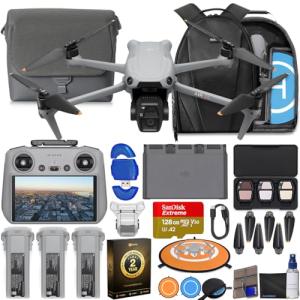
DJI Air 3S Drone Fly More Combo Bundle
Capture stunning aerial views and elevate your photography game with this all-in-one package
Product information
$2,398.00
Product Review Score
4.23 out of 5 stars
214 reviewsProduct links
Drone Registration Made Easy
Getting your drone registered doesn’t have to be a headache. If you're flying for fun or planning to take it more seriously, understanding the drone regulations around registration is key. Here’s a simple breakdown to make the process smooth and easy.
First things first, you’ll want to check if your drone needs to be registered. If it weighs more than 0.55 pounds (or 250 grams), you’re in the registration zone. This applies to most consumer drones. Luckily, the registration process is straightforward. Just head over to the FAA's website, and you can handle it online in a snap.
When you register your drone, you’ll need to provide some basic info and pay a small fee—usually around $5. Once you're done, you’ll get a unique registration number. This number is crucial; you’ll need to label your drone with it. Make sure it’s visible, so you're following the drone regulations right from the start.
Lastly, keep that registration handy. You may need to show it if you get questioned by law enforcement or if you're ever involved in an incident. Being registered not only keeps you within the legal boundaries but also shows you’re a responsible flyer. Get your drone registered and fly with peace of mind!
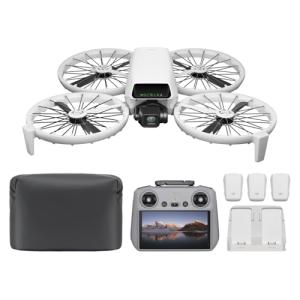
DJI Flip Fly More Combo Drone with 4K Camera
Capture stunning 4K footage with this versatile drone that's perfect for beginners and experienced flyers alike
Product information
$769.00
Product Review Score
4.11 out of 5 stars
16 reviewsProduct links
Safety Tips for Responsible Drone Use
Using a drone can be a blast, but it comes with a hefty dose of responsibility. Following drone regulations is key to keeping both you and those around you safe. Here are some essential safety tips to help you fly the right way.
First up, always check your local drone laws. Different areas have different drone regulations, so be sure to do your homework before taking off. This could mean knowing where you can and can’t fly, like near airports or over crowded places. No one wants to end up on the wrong side of the law while trying to capture that perfect aerial shot!
Next, keep your drone in sight at all times. It’s tempting to just send it up and kick back, but you should always maintain visual contact. This helps you avoid obstacles and other aircraft. Plus, it’s a lot easier to control your drone when you can see exactly what it’s doing.
Also, be mindful of the weather. Flying in high winds or rainy conditions can lead to some serious issues. Check the forecast before you fly and don’t take risks that could endanger your drone or anyone else. A little caution goes a long way!
Finally, respect people’s privacy. Nobody likes being filmed without consent, so be aware of your surroundings. Always ask for permission if you’re planning to take pictures or videos of people’s property. Following drone regulations isn’t just about safety; it’s about respecting others too.