So, you're ready to take to the skies with your new drone? Awesome! But before you get all excited and start flying, let’s make sure you know a few important things about drone regulations. These rules are here to keep you and everyone else safe while you enjoy your flying adventures.
First off, it's super important to register your drone if it weighs more than 0.55 pounds. Yep, that's right! Failing to register can lead to some hefty fines. The registration process is pretty simple, though, and you can often do it online. Just make sure to keep that registration number visible on your drone.
Next, always check local regulations before flying. Rules can vary significantly based on where you are. Some parks, cities, or even states may have restrictions. It’s a good idea to look up any drone regulations that apply to your area to avoid any surprises. Trust me, no one wants a run-in with the authorities while trying to enjoy some cool aerial shots.
Also, be mindful of where you’re flying your drone. Stay away from crowded places, airports, and military bases. This isn't just about following the law; it’s about keeping everyone safe. If you stick to open areas away from people, you’ll have a better, worry-free flying experience.
Lastly, keep your drone in sight at all times. It’s not just easier to control that way, but it's also a regulation in many places. Flying beyond your line of sight can lead to accidents, which is the last thing you want while capturing those stunning aerial views. Stick to these points, and you'll be flying legally and safely in no time!
Top Regulations for Recreational Drones
Flying a drone can be a blast, but you need to know the rules before you take to the skies. It’s all about keeping everyone safe and enjoying your flying experiences without a hitch. Here are some top regulations you should be aware of when it comes to your recreational drone.
First off, always keep your drone within your line of sight. You can’t just send it off and expect it to come back safely! Staying within sight helps you avoid obstacles and ensures you know where your drone is at all times. Plus, it’s a good way to stay socially responsible.
Next, you'll want to check the altitude limits. Most places cap you at 400 feet above ground level. This keeps your drone well below manned aircraft, which is a big deal for safety. If you want to go higher, you’ll need special permissions, which can be a treat but might take time.
Don't forget about flying near airports or heliports. Keep away from these areas since flying there can lead to serious penalties. Always check your local airspace maps to make sure you’re not flying in restricted zones. And remember, if you’re in doubt, it’s better to fly somewhere else!
Last but not least, make sure you’re flying your drone under good weather conditions. Avoid strong winds and rain; this makes flying riskier than it needs to be. Always plan your flight and be aware of nearby people and property, because being a responsible pilot matters when it comes to drone regulations!
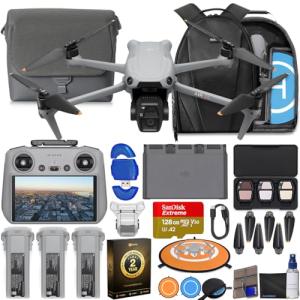
DJI Air 3S Drone Fly More Combo Bundle
Capture stunning aerial views and elevate your photography game with this all-in-one package
Product information
$2,398.00
Product Review Score
4.23 out of 5 stars
214 reviewsProduct links
Commercial Drone Rules Made Simple
If you're diving into the world of commercial drones, you've probably realized there are rules to follow. Drone regulations can sound intimidating at first, but really, they boil down to a few key points. Let’s break it down and keep it simple!
First off, you need to register your drone with the FAA if it weighs more than 0.55 pounds. The registration process is quick, and it keeps you in the clear legally. Once you have that done, you’ll need to make sure you’re flying in designated areas. Always check whether you're in controlled airspace, especially near airports. Flying unauthorized in these zones can lead to big trouble!
Next up, let’s talk about visual line-of-sight. When flying your commercial drone, you must keep it within your line of sight. This means no flying it behind buildings or out of sight. It sounds a bit limiting, but it’s all about safety. Plus, it helps you avoid collisions and fly safer.
Don’t forget about altitude limits. Keep your drone below 400 feet. This rule is in place to keep the skies safe for other aircraft. It also applies when you’re flying near structures; make sure you stay within that height limit. Keeping your drone under control will help you avoid fines and keep you flying smoothly.
Lastly, be aware of the no-fly zones. Places like stadiums, emergency response areas, and national parks usually have restrictions. It’s essential to do a little research before you head out to fly. Understanding these drone regulations not only keeps you legal but also helps protect your investment in your drone!
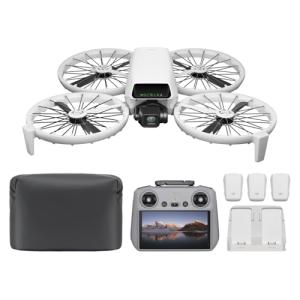
DJI Flip Fly More Combo Drone with 4K Camera
Capture stunning 4K footage with this versatile drone that's perfect for beginners and experienced flyers alike
Product information
$769.00
Product Review Score
4.11 out of 5 stars
16 reviewsProduct links
Staying Safe and Legal While Flying
Flying a drone can be a blast, but it’s super important to stay safe and play by the rules. Drone regulations are there to keep everyone safe, including you and your neighbors. Before you take to the skies, make sure you know the rules in your area.
First, check if you need to register your drone. In many places, if your drone weighs more than a certain amount, registration is a must. It’s usually pretty straightforward and only takes a few minutes. Plus, having that registration can save you from big headaches down the road.
Next, pay attention to where you’re flying. Avoid crowded places, like parks or events, where you could accidentally fly into someone or something. Also, steer clear of airports. Many areas have specific no-fly zones that you don’t want to mess with. Just a quick check on a drone app can help you identify those zones easily.
Always keep your drone within sight. It sounds simple, but it’s easy to lose track when you’re having fun. Keeping it in sight not only helps you avoid crashes but also makes it easier to follow drone regulations. And if something goes wrong, you’ll be there to handle it!
Lastly, respect privacy. Nobody wants a drone snooping around their backyard. Be mindful of where you’re flying and who might be watching. Following these tips helps keep you safe and ensures that everyone can enjoy the skies. Happy flying!