Flying a drone can be a blast, but you gotta know the rules before you take off. First up, always check the local Drone Regulations. Each country, and often states or cities, can have their own set of rules about where you can fly, how high you can go, and what you can do. Ignoring these can lead to some serious fines.
One major rule is to keep your drone in sight. This is called “line of sight” flying. Basically, you need to be able to see your drone the whole time. This helps you avoid obstacles and other aircraft. If your drone has GPS, it can be super handy, but you still need to keep an eye on it!
Also, be mindful of no-fly zones. Places like airports, military bases, and crowded events often have strict Drone Regulations that prohibit flying. It’s not just about following the law; it’s also about safety for everyone around you. Checking apps or maps that show no-fly zones can help you stay on the right side of the law.
Don’t forget about altitude limits! Most countries set a maximum height you can fly, usually around 400 feet. This keeps you clear of manned aircraft. Respecting these limits not only keeps you safe but also helps promote responsible drone flying.
Flying Permissions Explained
Flying your drone is exciting, but before you take off, you need to understand the flying permissions involved. Different countries and regions have their own specific drone regulations, so it’s crucial to know the rules where you plan to fly. You don't want to miss out on a fantastic aerial shot because you didn't check the local regulations!
In many places, you’ll need to register your drone, especially if it weighs over a certain amount. This usually involves providing some basic information about yourself and your drone, and it can often be done online in minutes. Some areas may even require you to get a license, particularly for commercial use. Make sure to look into these drone regulations to keep your flying legitimate and hassle-free.
Another big factor is where you can fly your drone. Many locations have no-fly zones, especially near airports, government buildings, or crowded places. Always check maps and local laws to ensure you’re not breaking any rules. Ignoring no-fly zones not only risks fines but could potentially lead to dangerous situations.
Weather conditions can also affect your flying permissions. If it’s too windy, or if there’s low visibility, it’s better to stay grounded. Safety is key, and some drone regulations even encompass weather-related guidelines to protect you and your drone.
Finally, if you’re flying in certain areas, you might want to notify local authorities or even get permissions in advance. This is especially true for popular spots where there’s heavy drone activity. Following these steps will ensure you have a smooth and enjoyable flying experience while staying on the right side of drone regulations.
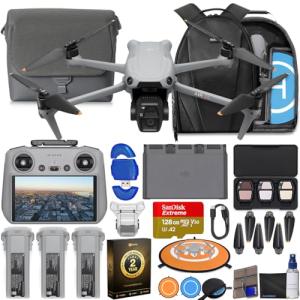
DJI Air 3S Drone Fly More Combo Bundle
Capture stunning aerial views and elevate your photography game with this all-in-one package
Product information
$2,398.00
Product Review Score
4.23 out of 5 stars
214 reviewsProduct links
Where You Can’t Fly Drones
When you're excited to fly your new drone, it’s important to know where you can and can't take it. Drone regulations can be a bit tricky, but don’t worry! Here’s a quick rundown of the spots where flying may not be allowed.
First up, don’t even think about flying near airports. Most drone regulations say you need to stay at least five miles from any airport. This is to keep things safe in the sky, so stick to this rule to avoid any trouble with the law.
National parks are another big no-no. You can't fly drones in these protected areas because it can disturb wildlife and ruin the peaceful vibe for visitors. Many other nature reserves also have restrictions, so double-check the rules before you head out.
Schools and government buildings often have their own set of drone regulations too. It’s best to keep your drone grounded near these places, especially since flying at a school could get you into hot water. Always check the local laws to stay on the safe side.
Finally, crowds are another tricky spot. Flying over large gatherings like concerts or sporting events can not only be dangerous but illegal too. Stay clear of these areas, and you'll keep your flying fun and safe!
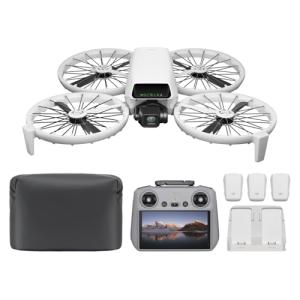
DJI Flip Fly More Combo Drone with 4K Camera
Capture stunning 4K footage with this versatile drone that's perfect for beginners and experienced flyers alike
Product information
$769.00
Product Review Score
4.11 out of 5 stars
16 reviewsProduct links
Safety Tips for Drone Pilots
Flying a drone can be an amazing experience, but it comes with responsibilities. Safety should always be your number one priority. When you're up in the air, you want to make sure you and everyone around you stays safe. Here are some essential safety tips every drone pilot should keep in mind.
First off, know the drone regulations in your area. Different places have different rules, so it's super important to educate yourself about local laws. For instance, some areas have restrictions on flying near airports, schools, and hospitals. Keeping your drone away from crowded places not only helps you stay compliant but also prevents accidents.
Before you take off, do a quick pre-flight check. Make sure the battery is fully charged, the propellers are in good shape, and everything is working properly. A little prep goes a long way in ensuring your drone flies smoothly. Also, think about the weather—strong winds or rain can make flying tricky and unsafe. If the forecast isn’t ideal, it’s best to wait for a clearer day.
While flying, always keep your drone in sight. This helps you avoid obstacles and gives you the ability to react quickly if something goes wrong. You might be tempted to zoom around, but taking it slow and steady is the way to go. Plus, it’ll help you get better at controlling your drone!
Lastly, respect the privacy of others. No one likes being filmed without their permission, so keep your drone away from private property unless you’ve got the green light. Staying respectful not only helps you follow drone regulations but also builds trust in the drone community. Happy flying!