Getting into the world of drones? That’s awesome! But before you take off, let’s dive into some drone regulations you really need to know. It’s not just about flying for fun; there are rules that keep everyone safe and sound.
First off, stick to the 400-foot altitude limit. This is a biggie! If you go above that, you might bump into manned aircraft, and that’s not a good day for anyone. Also, keep your drone within your line of sight. This means you should be able to see it without needing a telescope. If you can’t see it, you’re probably breaking some important drone regulations.
Another key rule is to stay away from airports and crowded areas. Drones are not fans of busy places, and you definitely don’t want to annoy pilots or worry people on the ground. Look at maps that show no-fly zones; many apps or websites can help you with that. Ignoring this rule can lead to hefty fines or other trouble.
Lastly, if you’re flying for commercial purposes, you’ll need to register your drone and get a Part 107 certification. This isn’t just a suggestion; it’s required! Taking this step ensures you understand the drone regulations that come with making money from your flights.
Where to Fly Drones Legally
Flying drones is thrilling, but you need to be aware of where you can legally take to the skies. There are rules for a reason, and knowing them helps you avoid fines and enjoy your flying experience. First off, check out the Federal Aviation Administration (FAA) guidelines. They have plenty of information that’s easy to understand and helps you know where you can fly without a hitch.
Many parks and public spaces have specific regulations regarding drone use. Some may require you to stay a certain distance from buildings, people, or wildlife. It’s always best to look up local drone regulations before planning a flight. Websites like the FAA’s B4UFLY app can help you find safe flying areas in your neighborhood.
Private properties are another story. If you want to fly over someone’s yard, you definitely need to ask for permission. Always be respectful of others' space—no one wants an unexpected drone hovering over their barbecue. Plus, it’s common courtesy to keep your flying activities away from areas where people gather.
Don’t forget to consider airspace limitations, especially if you’re near airports. Flying too close can put you and others at risk. Familiarize yourself with controlled airspace and avoid those zones unless you have the right permissions. Your flying experience should be fun and safe, so keeping up with the rules will help keep it that way.
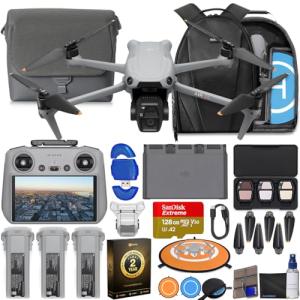
DJI Air 3S Drone Fly More Combo Bundle
Capture stunning aerial views and elevate your photography game with this all-in-one package
Product information
$2,398.00
Product Review Score
4.23 out of 5 stars
214 reviewsProduct links
Understanding Drone Registration Requirements
When you decide to get a drone, one of the first things you’ll want to check out are the drone regulations. Understanding these rules can save you a lot of headaches later on. In many places, you need to register your drone if it weighs more than a certain amount, typically 250 grams (about half a pound). This helps keep the skies safe and ensures you’re flying your drone responsibly.
Registering your drone is usually a pretty straightforward process. You’ll start by visiting the official website of your country’s aviation authority. For instance, in the US, you’d go to the FAA’s website. The registration can often be completed online in just a few minutes. You’ll need to provide some basic info like your name and address. Don’t forget to pay the registration fee, which is usually pretty small.
Once you have your registration number, make sure to display it on your drone. This isn’t just a suggestion; it’s part of the drone regulations. If you fly without it, you could face fines or other penalties. And believe me, the last thing you want is to spend your time dealing with legal stuff instead of enjoying your new drone!
Plus, keep an eye on any updates to the drone regulations. Laws can change, and what might be true today could be different tomorrow. Joining forums or local groups can help you stay in the loop. That way, you can fly worry-free and focus on capturing amazing aerial shots or just having a blast!
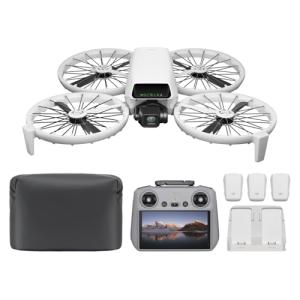
DJI Flip Fly More Combo Drone with 4K Camera
Capture stunning 4K footage with this versatile drone that's perfect for beginners and experienced flyers alike
Product information
$769.00
Product Review Score
4.11 out of 5 stars
16 reviewsProduct links
Safety Tips for Flying Drones
Flying a drone can be a thrilling experience, but safety should always come first. Understanding drone regulations is key to keeping both you and others safe while enjoying your flying adventures. Here are some essential safety tips to help you navigate the skies with confidence.
First, always check your local drone regulations before you take off. Each area has specific rules concerning where you can fly and how high you can go. For instance, many places require you to stay below 400 feet and avoid flying near airports or crowded areas. Checking these regulations keeps you compliant and helps prevent accidents.
Next, perform a thorough pre-flight check. Make sure your drone is in good condition, batteries are charged, and all parts are functioning properly. A simple checklist can save you from experiencing technical issues mid-flight. Remember to calibrate your drone and ensure firmware is up to date.
Lastly, keep your drone within your line of sight at all times. This helps you maintain control and avoid obstacles. Consider using spotters when flying in challenging conditions or unfamiliar locations. Staying aware of your surroundings is not just about following drone regulations; it’s about ensuring a safe and enjoyable experience for everyone.