When you decide to take to the skies with your drone, it’s essential to familiarize yourself with the basic drone regulations. Trust me, knowing these rules makes your flying experience a lot smoother and keeps you out of trouble.
First off, make sure your drone is registered. In many places, if your drone weighs over a certain amount, you’ll need to register it with the relevant authorities. This usually isn’t a huge hassle, just a quick online process. Keeping your drone registered ensures you’re in the clear and helps with accountability, especially if there’s an incident.
Next, always keep your drone within your line of sight. This means you should be able to see it without binoculars. Staying within visual range helps you avoid obstacles and stay safe. Plus, it’s a good way to comply with drone regulations. It’s all about keeping our skies safe for everyone!
Don’t forget about respecting privacy. Flying your drone over private property without permission can lead to issues. Make sure you’re not invading anyone's space or being a nuisance. Understanding these drone regulations isn’t just about rules; it’s about using common sense and being a good neighbor!
Lastly, be aware of no-fly zones. Airports, military bases, and certain parks often have restrictions. If you’re unsure where you can or can’t fly, check local maps or flying apps. Knowing these areas helps prevent accidents and keeps you flying safely while enjoying your drone adventures.
Where to Fly Your Drone
Finding the right spot to fly your drone can really enhance your experience. But remember, it’s not just about picking a pretty place—drone regulations vary based on where you are. Knowing where you can legally pilot your drone helps you stay safe and avoid any fines.
Local parks can be a great option! Just be sure to check the signs and ask park officials if drones are allowed. Some parks have rules against flying due to wildlife protection or local regulations. Use tools like the FAA’s B4UFLY app to see if you’re flying in a no-fly zone. It’ll save you from a hefty ticket!
If you're near a beach or open wilderness area, those can also be excellent spots. Not only do you get stunning views, but these locations often have fewer restrictions. Remember, though, drone regulations can change depending on the state, so double-check before you take off.
Lastly, consider community events or organized meetups. These gatherings can offer designated flying areas and let you connect with fellow drone enthusiasts. It’s a great way to share tips and tricks while enjoying a day in the air!
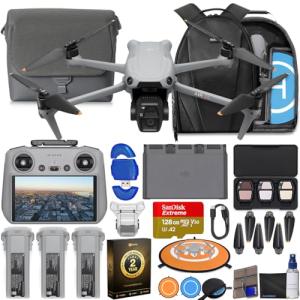
DJI Air 3S Drone Fly More Combo Bundle
Capture stunning aerial views and elevate your photography game with this all-in-one package
Product information
$2,398.00
Product Review Score
4.23 out of 5 stars
214 reviewsProduct links
Registration and Licensing Explained
Getting into the world of drone flying? You’ll need to know a few things about registration and licensing. Don't worry, though; it’s not as complicated as it sounds. Many people think it's a headache, but once you understand the basics, you'll be ready to take to the skies legally and safely. Let's break it down!
First off, most drones that weigh more than 0.55 pounds (around 250 grams) must be registered with the FAA. This includes everything from your sporty racing drone to a camera drone for capturing stunning views. Registering is straightforward. You can do it online and it only takes about 10 minutes. After registering, you'll get a unique number to put on your drone; this helps the authorities identify your craft if there's ever an issue.
Now let’s talk about licensing. If you plan to fly your drone for commercial purposes—like doing aerial photography, inspections, or deliveries—you'll need to get a Remote Pilot Certificate. This involves passing an FAA test that covers basic rules and regulations. Don't sweat it! Many people find it manageable after studying the material. Plus, the knowledge you gain will make you a safer and more responsible pilot.
Staying updated on drone regulations is key. Regulations can change, and specific areas might have different rules. Always check local laws before flying, especially in crowded places or near airports. By keeping informed, you'll help ensure a positive flying experience for yourself and others.
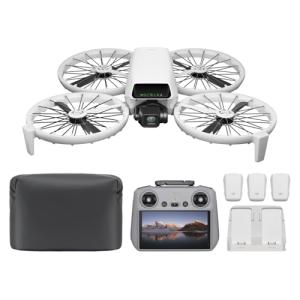
DJI Flip Fly More Combo Drone with 4K Camera
Capture stunning 4K footage with this versatile drone that's perfect for beginners and experienced flyers alike
Product information
$769.00
Product Review Score
4.11 out of 5 stars
16 reviewsProduct links
Common Drone Violations to Avoid
Drones are amazing devices, but with great fun comes great responsibility. To make sure you stay out of trouble, it’s important to understand some common drone violations. Failing to follow these rules can lead to fines or even having your drone confiscated. Let's dive into some key points to keep in mind.
First on the list, always keep your drone within your line of sight. Many people think they can just fly it far away and rely on cameras. Nope! Drone regulations require that you always maintain visual contact. If you can’t see it, you can’t control it. Simple as that.
Another biggie is respecting no-fly zones. Schools, airports, and military bases are off-limits for a reason. Flying in these areas can pose serious safety risks and lead to severe penalties. Stay updated with local drone regulations, and check apps or maps that highlight restricted areas. It’s a smart move!
Lastly, flying at night can be tricky. While some drones are equipped for nighttime flying, many regulations don't allow it unless you have proper lighting. If you want to enjoy your drone after sunset, make sure it meets the necessary safety requirements. Play it safe and stay informed.