Flying a drone can be an exhilarating experience, but you must know the rules in your area. Different places have different drone regulations, and these can vary widely based on where you live. Before you take off, it’s essential to understand the specific laws that apply to your location. Otherwise, you risk fines or having your drone seized.
In the United States, the Federal Aviation Administration (FAA) lays down the basic rules. If you're flying for fun, there are guidelines you must follow, like keeping your drone within sight, flying below 400 feet, and staying away from airports. On the other hand, if you're using your drone for business, you'll need to get a Part 107 license. Don’t forget to check local laws, too, as some cities and states have their own regulations that can restrict where and when you can fly.
Other countries have their own rules outside the U.S. In the UK, for example, drone operators must register. And if you’re in Canada, you’ll need to know about the rules set by Transport Canada. It can feel like a maze of information, but there are tools and websites that can help you sort through the noise and understand drone regulations in your specific area.
Always stay updated. Laws can change, and staying informed can save you from headaches down the road. Follow local drone clubs or join online forums to share experiences and get tips from fellow drone enthusiasts. The drone community is often helpful, so don’t hesitate to ask questions if you’re unsure about any regulations.
Registration Requirements for Drones
Diving into the world of drones? Awesome! Before you take to the skies, you need to know about the registration requirements. Understanding these drone regulations helps keep everyone safe and keeps you in compliance with the law.
If your drone weighs over 0.55 pounds (250 grams), you must register it with the FAA. The process is straightforward and can be done online in just a few minutes. You’ll need to provide some basic information, like your name, address, and even your drone's make and model.
Once registered, you’ll receive a unique registration number. Make sure to label your drone with this number. It’s a simple step, but it's crucial if your drone ever gets lost or confiscated. Remember, flying without registration can lead to hefty fines, so don’t skip this step!
And don’t forget, if you plan to use your drone for commercial purposes or for any activities that fall under Part 107, you’ll need an additional certification. This includes passing an FAA test to prove your skills and knowledge. Stay informed about drone regulations to fly safely and responsibly!
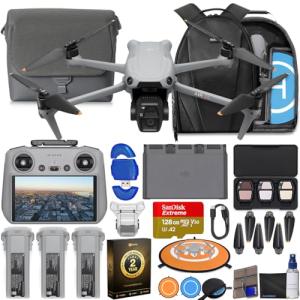
DJI Air 3S Drone Fly More Combo Bundle
Capture stunning aerial views and elevate your photography game with this all-in-one package
Product information
$2,398.00
Product Review Score
4.23 out of 5 stars
214 reviewsProduct links
Flying Safely and Responsibly
When you're out flying your drone, safety and responsibility should be at the top of your mind. Familiarizing yourself with drone regulations is essential. These rules aren't just there to make things complicated; they help keep everyone safe—both in the air and on the ground.
First off, always keep your drone within your line of sight. It might be tempting to fly high and far, but staying close means you can react quickly if something goes wrong. Plus, it’s a big part of drone regulations in many areas.
Remember to check if you need to register your drone. In many countries, if your drone weighs over a certain amount, registration is required. This is a simple step that ensures you’re following the law and helps authorities track drones for safety purposes.
Be mindful of where you choose to fly. Avoid crowded areas, airports, and places near emergency services. These spots often have strict drone regulations to protect people and property. Research local laws and any no-fly zones before heading out. It might take a little time, but it certainly pays off.
Lastly, respect privacy. Flying over someone’s property without permission can lead to conflicts or legal issues. Adhering to drone regulations isn’t just about following the law; it’s about being a decent neighbor and ensuring everyone, including yourself, has a good experience with drones.
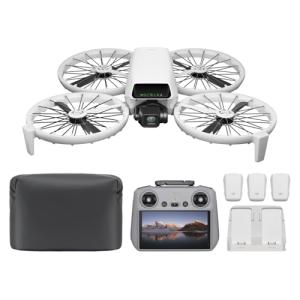
DJI Flip Fly More Combo Drone with 4K Camera
Capture stunning 4K footage with this versatile drone that's perfect for beginners and experienced flyers alike
Product information
$769.00
Product Review Score
4.11 out of 5 stars
16 reviewsProduct links
Where to Find Updated Regulations
Staying on top of drone regulations can feel a bit overwhelming, but it doesn't have to be! You want to make sure you're flying legally, and finding reliable information is key. Here are a few great places to keep your knowledge up-to-date.
First off, check out the FAA's official website. They have all the latest drone regulations laid out clearly, which is super helpful. You can find updates on airspace restrictions, required certifications, and any changes in laws. Their site isn't just for seasoned flyers; it has detailed sections for beginners, too.
Another great resource is local government websites. Many municipalities and states have their own rules about where you can fly your drone. Local parks or specific towns might have their own regulations, so it’s smart to look there before you head out. They’ll usually provide info on no-fly zones and any permits you might need.
Don’t forget about online drone communities! Forums and social media groups can be goldmines for information. Fellow drone enthusiasts love sharing what they know, including recent regulatory changes. Just make sure to double-check any advice you get with official sources!
Finally, subscribe to drone newsletters or blogs from reputable sources. These often provide updates directly to your inbox, so you won’t miss any important changes. Keeping informed about drone regulations is essential for a smooth flying experience, and these resources can make it much easier!