Drones are becoming super popular, and understanding drone regulations is key to having fun while staying safe. Each country has its own set of rules, so if you're new to flying or considering getting a drone, it’s vital to get familiar with these basic regulations.
In the U.S., the Federal Aviation Administration (FAA) deals with drone regulations. They require you to register your drone if it weighs more than 0.55 pounds. Registration is quick and doesn’t cost much, but it's an essential step to avoid any fine surprises later. Plus, flying a registered drone gives you peace of mind knowing you’re operating legally.
Many places have restrictions on where you can fly your drone. For instance, you can't fly near airports, military bases, or crowded areas. Make sure to check local laws before heading out. Using apps like B4UFLY can help you figure out if it’s okay to fly in your chosen spot. Compliance with these regulations keeps the skies safe for everyone.
Another important aspect is understanding drone altitude limits. Most regulations keep you under 400 feet. This helps prevent collisions with manned aircraft and ensures a safer experience. Respecting these limits isn't just good practice; it keeps you out of legal trouble too.
As you explore the world of drones, being mindful of drone regulations is part of the fun. Keep updated on changes, as laws can shift with new tech developments. By staying informed, you’ll enjoy your flying adventures responsibly and legally.
Where to Fly Your Drone Safely
Finding a good spot to fly your drone is key to having a great experience. But first, you need to make sure you’re following the drone regulations in your area. This helps keep everyone safe and ensures that you keep flying stress-free. Here are some top tips for where you can safely take flight.
First, look for designated drone parks or flying zones. Many cities have special areas just for drone enthusiasts. These spots are perfect because they’re designed for flying without distractions or obstructions. You can have fun and feel secure knowing you’re within the rules.
Next, make sure to stay away from airports and busy urban areas. Flying near an airport can lead to big trouble, not just with the law but for air traffic. Always check the local airspace regulations before you head out. You don’t want to accidentally get in the way of other aircraft.
Also, consider local parks or open spaces, but be aware of any restrictions. Some may have rules against drones, so look for signs or call ahead. Places like beaches, fields, or rural areas usually offer plenty of room to fly while keeping you compliant with drone regulations. Remember to respect wildlife and avoid disturbing animals while you’re having fun!
Finally, it’s a good idea to connect with other drone flyers in your area. Online forums or local meetups can be great resources. You'll learn about new flying spots and share tips on safe flying that aligns with drone regulations. Plus, it’s always nice to chat with people who share your passion!
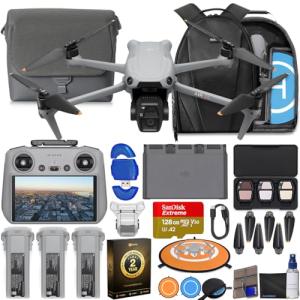
DJI Air 3S Drone Fly More Combo Bundle
Capture stunning aerial views and elevate your photography game with this all-in-one package
Product information
$2,398.00
Product Review Score
4.23 out of 5 stars
214 reviewsProduct links
Registration Rules for Drones Explained
When it comes to flying your drone, knowing the registration rules is super important. In the U.S., the Federal Aviation Administration (FAA) requires almost all drones that weigh more than 0.55 pounds (about 250 grams) to be registered. This means that if you want to take your drone up in the air, you need to make sure it’s on the official list.
Registering your drone is pretty easy. You just need to visit the FAA website and fill out a quick form. The registration costs around $5, and it’s valid for three years. Once you complete your registration, you’ll get a unique identification number that you must display on your drone. Keeping it visible helps show you are following the drone regulations.
If you’re flying for fun, follow the guidelines outlined by the FAA. Make sure to keep your drone below 400 feet and always keep it in your line of sight. Don’t fly near airplanes, and stay clear of airports! If you’re planning to use your drone for commercial purposes, things are a bit different. You’ll need a specific certification called the Part 107 remote pilot certificate, which involves passing a knowledge test.
Every state also has its own set of rules, so be sure to check local drone regulations before you take off. Some areas might restrict flying in parks or near populated places. Knowing the ins and outs of the rules will help you avoid fines and make your drone experience way more enjoyable. Keeping up with drone regulations not only keeps you safe but also respects others around you.
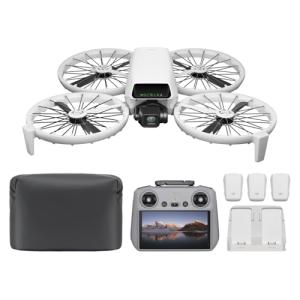
DJI Flip Fly More Combo Drone with 4K Camera
Capture stunning 4K footage with this versatile drone that's perfect for beginners and experienced flyers alike
Product information
$769.00
Product Review Score
4.11 out of 5 stars
16 reviewsProduct links
Consequences of Ignoring Drone Laws
Ignoring drone laws can lead to some serious consequences. First off, you might end up in legal trouble. Governments have set specific drone regulations to ensure safety in the skies. Flying without following these rules can result in hefty fines or even criminal charges.
Imagine spending a relaxing day flying your drone, only to get approached by authorities because you didn’t have the proper permits or you flew in a restricted area. It’s a buzzkill, to say the least, and can ruin the fun of flying your gadget.
Safety is a big deal too. If you ignore drone regulations, you could accidentally crash into something or someone. That can lead to injury, property damage, and even lawsuits. No one wants that drama, especially when it could have been prevented by just sticking to the rules.
Lastly, ignoring the rules can mess with your flying privileges. If you get flagged for breaking drone regulations, you might lose the ability to fly legally in the future. That means no more awesome aerial photos or fun flying sessions. Following the rules keeps you in the air and enjoying your drone without the headaches.