Flying a drone can be super fun, but it comes with some responsibilities you can't ignore. Knowing the local drone regulations is key to enjoying your time in the sky. Each area has its own rules, and these can vary even within the same state or country. So, let’s break it down a bit.
First off, always check if you need to register your drone. In many places, any drone over a certain weight requires registration, which is pretty easy to do online. Plus, having that registration gives you peace of mind if your drone goes awry. It also shows you're a responsible pilot who knows the drone regulations.
Next up, know where you can fly. There are certain areas, like near airports, schools, or crowded places, where flying is off-limits. Besides safety, it's about respecting people’s privacy. Many places have strict rules about flying over private property without permission. Make sure to do your homework so you don’t have a run-in with the law.
And let’s not forget about altitude limits. Most regulations keep you below 400 feet for safety reasons. It’s all about keeping a clear line of sight to your drone, making it easier to control and avoid other aircraft. Remember, these drone regulations are there to keep everyone safe, including you!
Finally, if you're flying for commercial purposes, there are even more rules to think about, like getting a Remote Pilot Certificate. It might sound like a hassle, but it's really just to ensure that everyone's on the same page and flying safely. Just keep these things in mind, and you’ll be cruising the skies in no time!
Key Regulations for Safe Drone Flying
Flying a drone is exciting, but you need to know the rules to keep it fun and safe. Understanding drone regulations is key to avoiding trouble and getting the most out of your flying experience. Here are some important things to keep in mind.
First up, you need to register your drone. If it weighs over 0.55 pounds (250 grams), the FAA requires you to register it. This is a simple process that you can do online. Once registered, you’ll receive a unique identification number to place on your drone, which helps keep track of ownership.
Next, always keep your drone within your line of sight while flying. This means you should be able to see your drone without using binoculars or other devices. It’s all about maintaining control and being aware of your surroundings. Plus, it helps you avoid obstacles like trees, buildings, and people.
Another biggie in drone regulations is altitude limits. Generally, you can’t fly higher than 400 feet above ground level. Staying within this limit keeps you out of the way of manned aircraft and helps you stay safe while you enjoy the view.
Finally, be mindful of where you fly. You need to steer clear of airports and other restricted areas. Always check for temporary flight restrictions, especially in places where events or emergencies could make flying dangerous. By following these guidelines, you’ll make sure your drone adventures are safe and enjoyable!
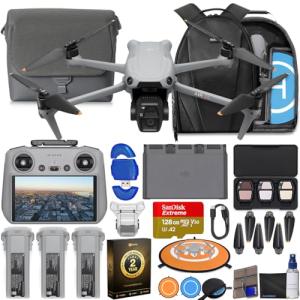
DJI Air 3S Drone Fly More Combo Bundle
Capture stunning aerial views and elevate your photography game with this all-in-one package
Product information
$2,398.00
Product Review Score
4.23 out of 5 stars
214 reviewsProduct links
How to Register Your Drone Easily
Getting your drone registered is a simple step that can save you a lot of headaches later on. No one wants to run into trouble because they didn’t follow drone regulations. Luckily, the whole registration process is user-friendly, so let’s break it down.
First things first, you’ll want to head over to the official FAA website. This is where all the magic happens. You’ll need to create an account if you haven't done so yet. Just follow the prompts, and you'll be all set. Make sure you have your drone handy, as you’ll need to provide some details about it.
Next up, your drone’s weight matters. If it weighs more than 0.55 pounds (about 250 grams) but less than 55 pounds (that's around 25 kilograms), you need to register it. You’ll fill out some information about your drone's model, and your registration fee will typically be around $5, which is valid for three years. Super affordable, right?
After registering, you’ll get a unique ID number for your drone. This number must be displayed on your drone so that you’re always compliant with drone regulations. Make sure you can find a good spot to stick or mark that ID where it’s easily visible. Remember, having your drone registered is not just about following the rules; it’s about safety and responsible flying!
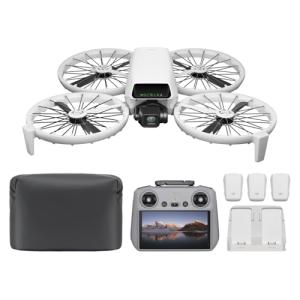
DJI Flip Fly More Combo Drone with 4K Camera
Capture stunning 4K footage with this versatile drone that's perfect for beginners and experienced flyers alike
Product information
$769.00
Product Review Score
4.11 out of 5 stars
16 reviewsProduct links
Staying Up to Date with Local Laws
When you’re flying a drone, it’s super important to know the local laws. Drone regulations can vary a lot from one place to another, and they can change pretty quickly too. You don’t want to get caught off guard by rules that could ruin your day or even get you in trouble!
First off, check with your local government or aviation authority. Many places have specific guidelines about where you can fly, how high you can go, and if you need to register your drone. Don’t just assume that the same rules apply wherever you go. If you’re planning to travel with your drone, look into the regulations in your destination too.
Another handy tip is to join local online groups or forums. There’s a whole community of drone enthusiasts out there who share tips and updates on the latest drone regulations. You can learn so much just by chatting with fellow drone lovers who are in the know.
Finally, make it a habit to check the news or websites dedicated to drone flying. New laws pop up all the time, and staying informed helps you fly safely and responsibly. Keeping up with drone regulations not only protects you but also helps keep the skies friendly for everyone.